
Monta Blog
Find useful blog posts, news, and industry insights on EV charging and the EV ecosystem.
North American Charging System (NACS)
The North American Charging System (NACS) represents a unified electric vehicle charging standard that combines alternating current (AC) and high-power direct current (DC) fast charging within a single, compact connector.

GB/T charging standard
The GB/T charging standard represents China’s national electric vehicle charging system, encompassing both alternating current (AC) and direct current (DC) configurations.

CHAdeMO
CHAdeMO is a DC fast-charging standard for electric vehicles, developed in Japan. CHAdeMO enables rapid energy replenishment by delivering direct current to the battery through a dedicated connector.

CCS1 vs. CCS2
CCS1 vs. CCS2 represent the two primary regional versions of the Combined Charging System utilised for alternating current (AC) and direct current (DC) fast charging.

Combined charging system (CCS)
The combined charging system (CCS) represents a comprehensive fast-charging standard that integrates alternating current (AC) and direct current (DC) capabilities into a single interface.

Type 2 (Mennekes) connector
The Type 2 (Mennekes) connector functions as the standard AC charging interface for electric vehicles throughout Europe.

SAE J1772 connector
The SAE J1772 connector represents a standardised electric vehicle charging plug utilised primarily for alternating current (AC) charging across North America.
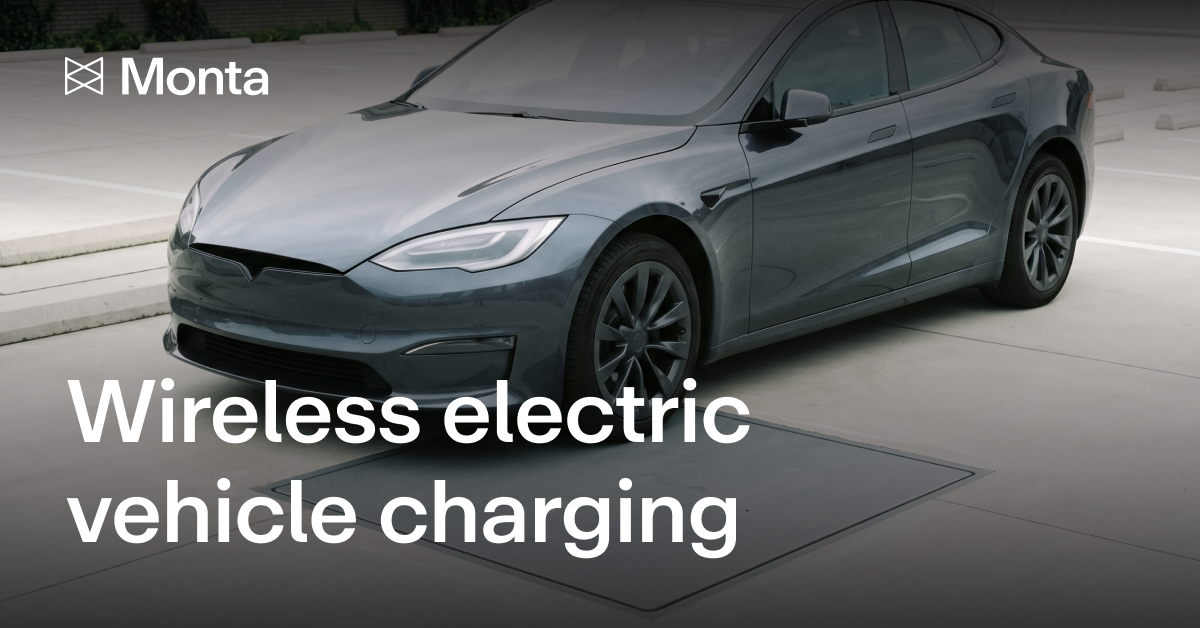
Wireless electric vehicle charging
Wireless EV charging is a method of transferring energy from a charging pad to an electric vehicle without physical cables by using electromagnetic fields.
Direct current fast charging (DCFC)
DC fast charging (DCFC) is a high-power charging method that supplies direct current directly to an electric vehicle battery for rapid energy transfer.
Alternating current (AC) vs. direct current (DC) charging
Alternating current (AC) and direct current (DC) charging represent the two primary methods of delivering electricity to electric vehicles.

Level 4 charging
Level 4 charging is a next-generation ultra-fast EV charging method that delivers extremely high power levels beyond current DC fast charging standards.

Level 2 charging
Level 2 charging is a medium-speed EV charging method that uses 240-volt AC power to deliver faster energy transfer than standard Level 1 systems.

Level 1 charging
Level 1 charging is the slowest and most basic method of charging an electric vehicle through a standard household outlet.
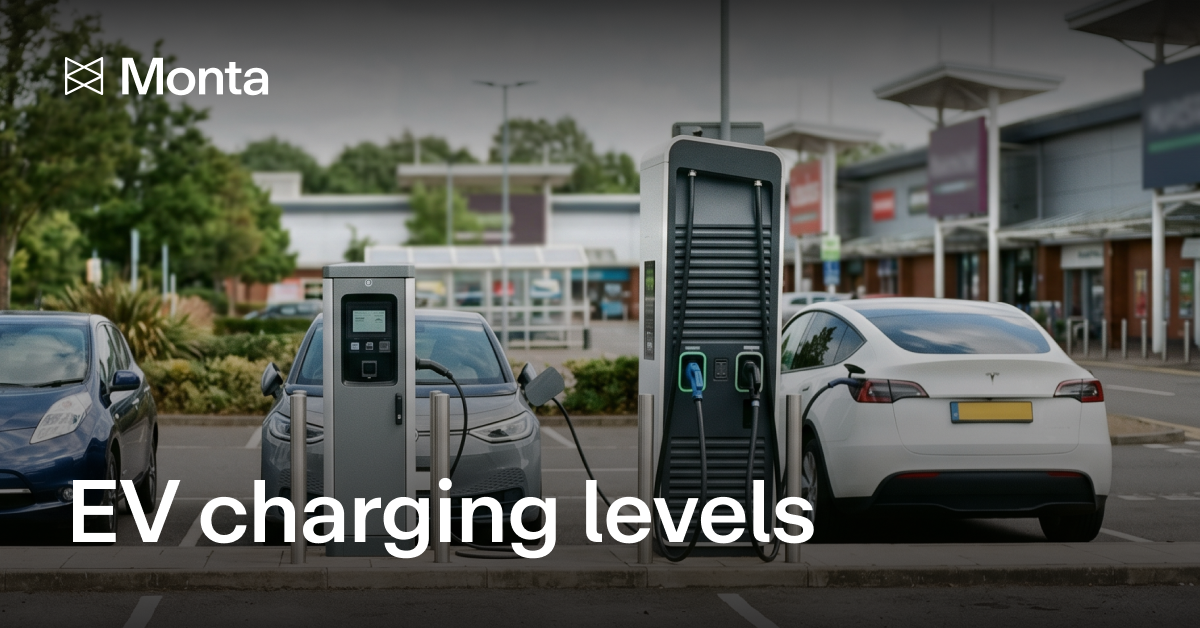
EV charging levels
EV charging levels are standardised categories that classify charging speed, power output, and infrastructure requirements for electric vehicle charging.
Electric vehicle supply equipment (EVSE)
Electric vehicle supply equipment (EVSE) is the hardware that delivers electricity from a power source to a vehicle while managing essential safety, communication, and control functions.
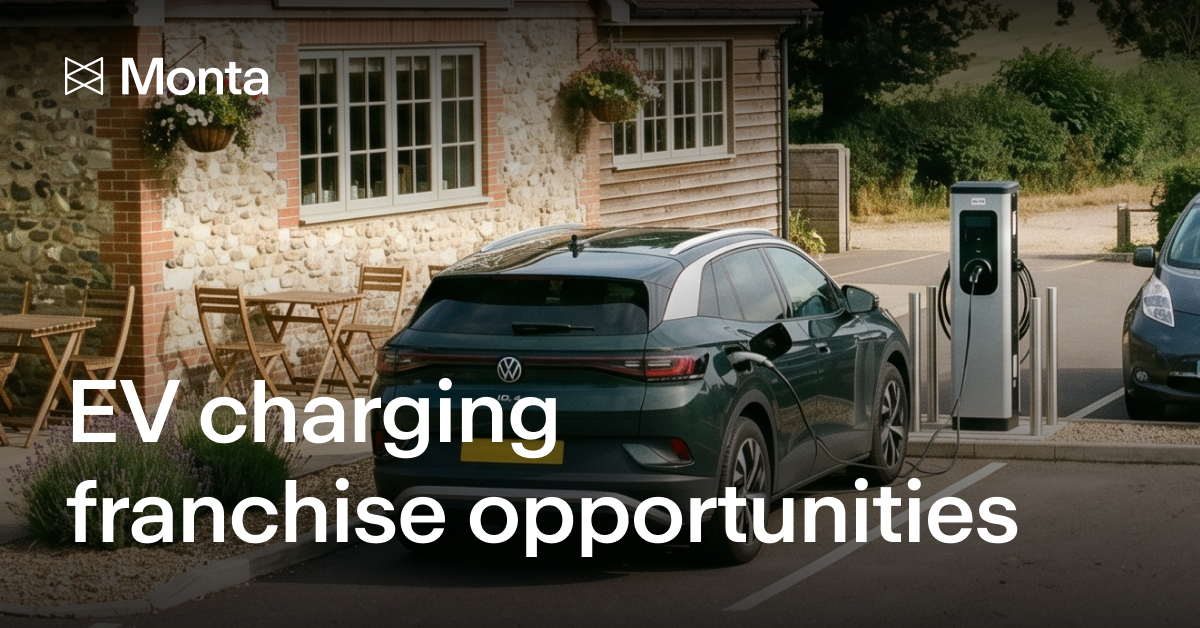
EV charging franchise opportunities
EV charging franchise opportunities are a business model in which investors or entrepreneurs operate electric vehicle supply equipment under an established brand.
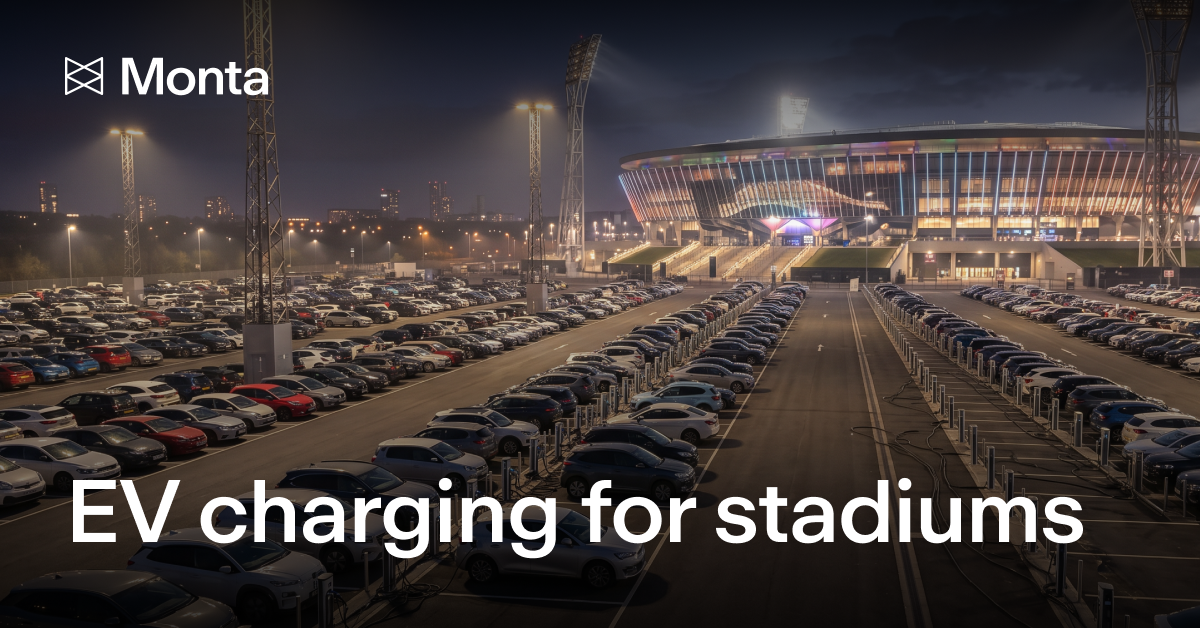
EV charging for stadiums
EV charging for stadiums involves deploying electric vehicle charging infrastructure in stadium parking and event facilities to support fans, staff, and fleet vehicles.
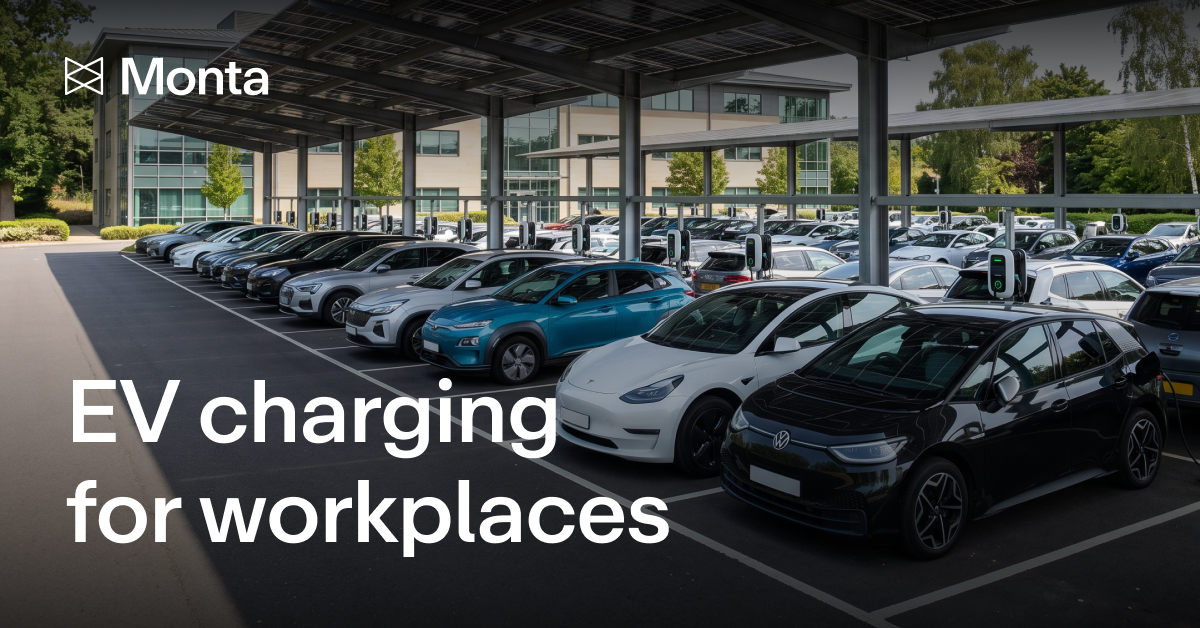
EV charging for workplaces
EV charging solutions for workplaces provide essential energy replenishment for employees at offices and corporate campuses.
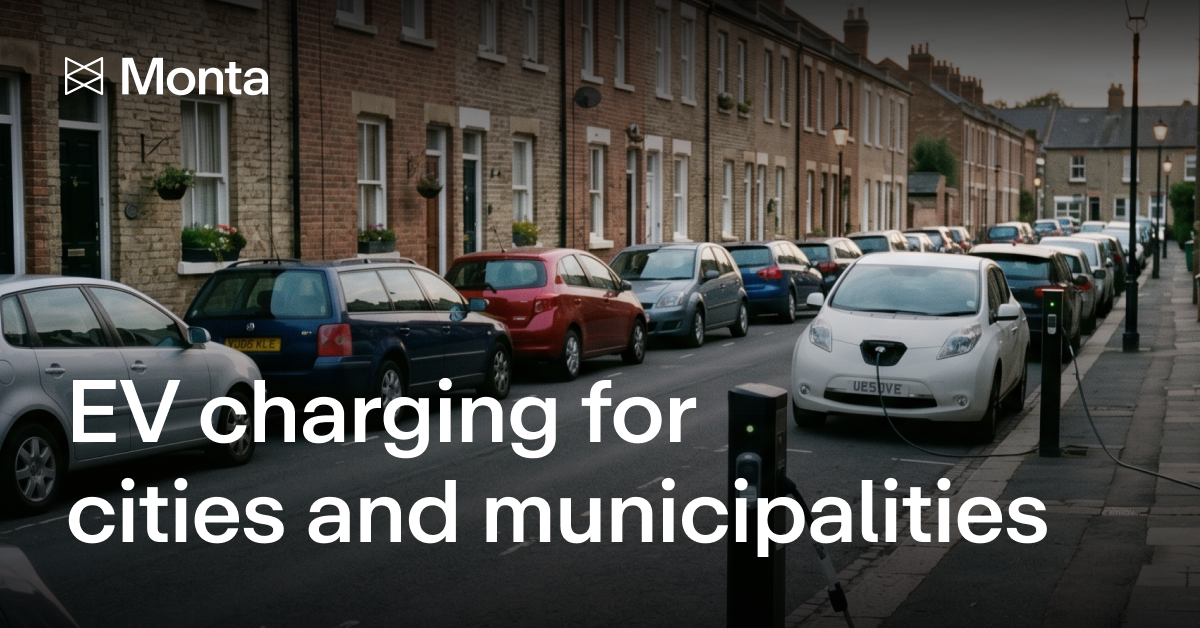
EV charging for cities and municipalities
EV charging for cities and municipalities involves the strategic planning, deployment, and management of electric vehicle infrastructure within public and government-managed spaces.
EV Charging-as-a-Service (CaaS)
EV Charging-as-a-Service (CaaS) is a business model in which a provider delivers EV charging infrastructure, software, installation, and maintenance through a subscription or service agreement.
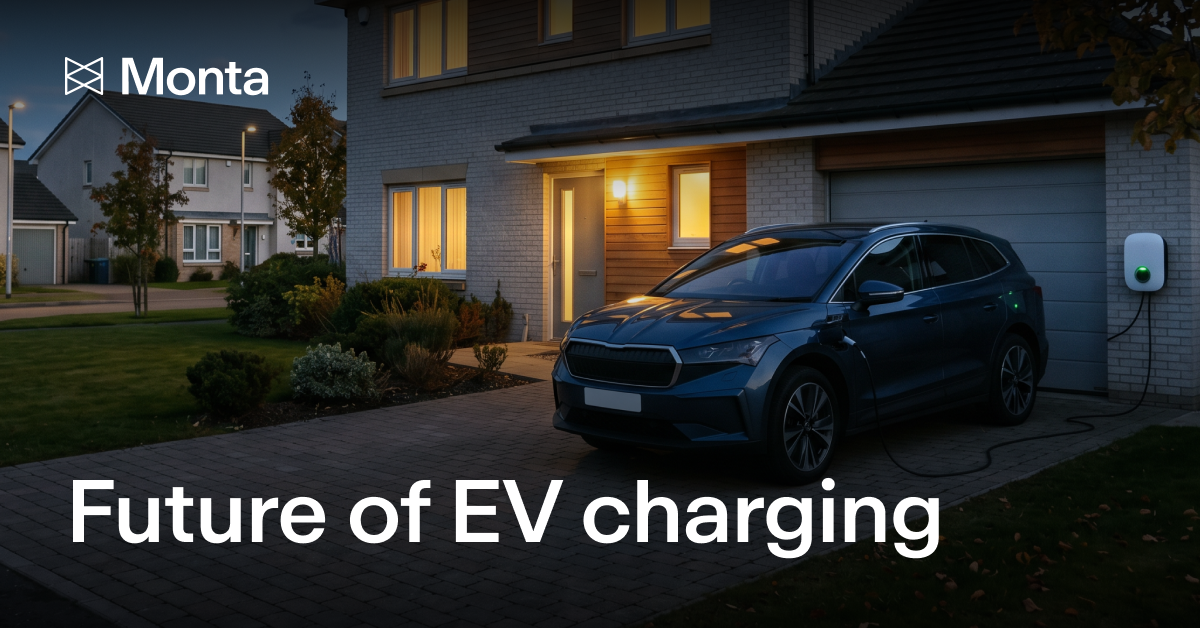
Future of EV charging
The future of EV charging centres on faster charging speeds, wider network coverage, and smarter energy management that supports growing electric mobility demand.

Capacity credits
Capacity credits are financial incentives awarded to electricity providers or demand-side energy resources that commit to supplying power or reducing electricity consumption during peak grid periods.

Carbon credits
Carbon credits are tradable certificates that represent a verified reduction or removal of one metric tonne of carbon dioxide (CO₂) or its equivalent in other greenhouse gases.
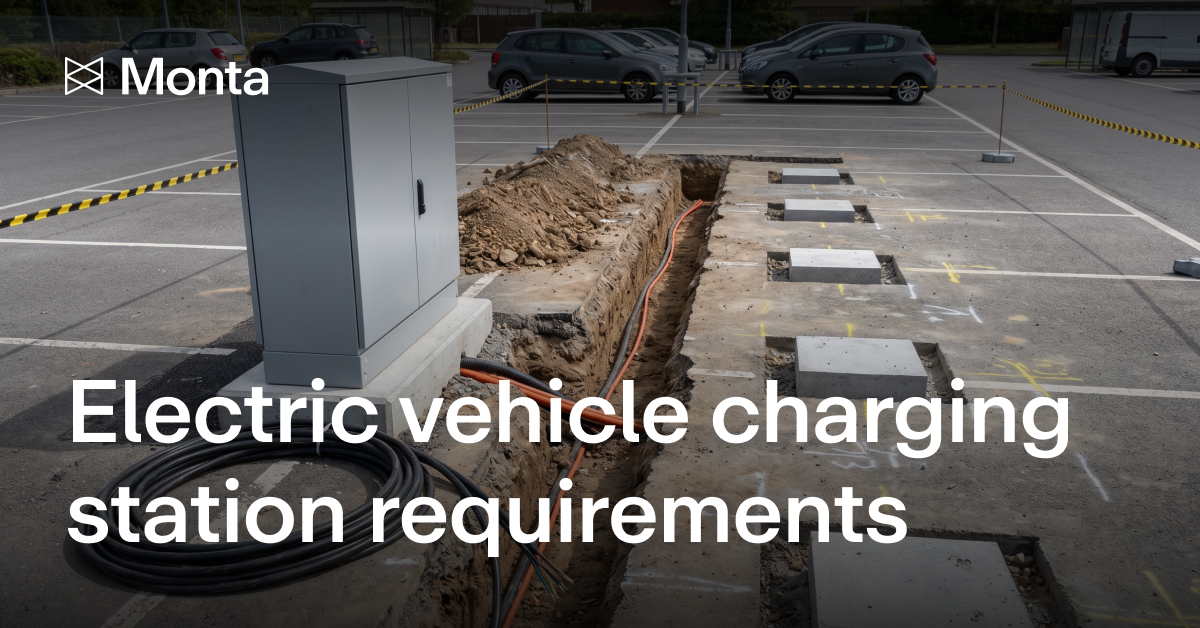
Electric vehicle charging station requirements
Electric vehicle charging station requirements refer to the technical, electrical, safety, and regulatory conditions necessary to install and operate charging equipment safely and reliably.

Alternative Fuels Infrastructure Regulation (AFIR)
The Alternative Fuels Infrastructure Regulation (AFIR) is the European Union regulation that sets mandatory targets and legally binding rules for deploying alternative fuels infrastructure across all EU Member States.
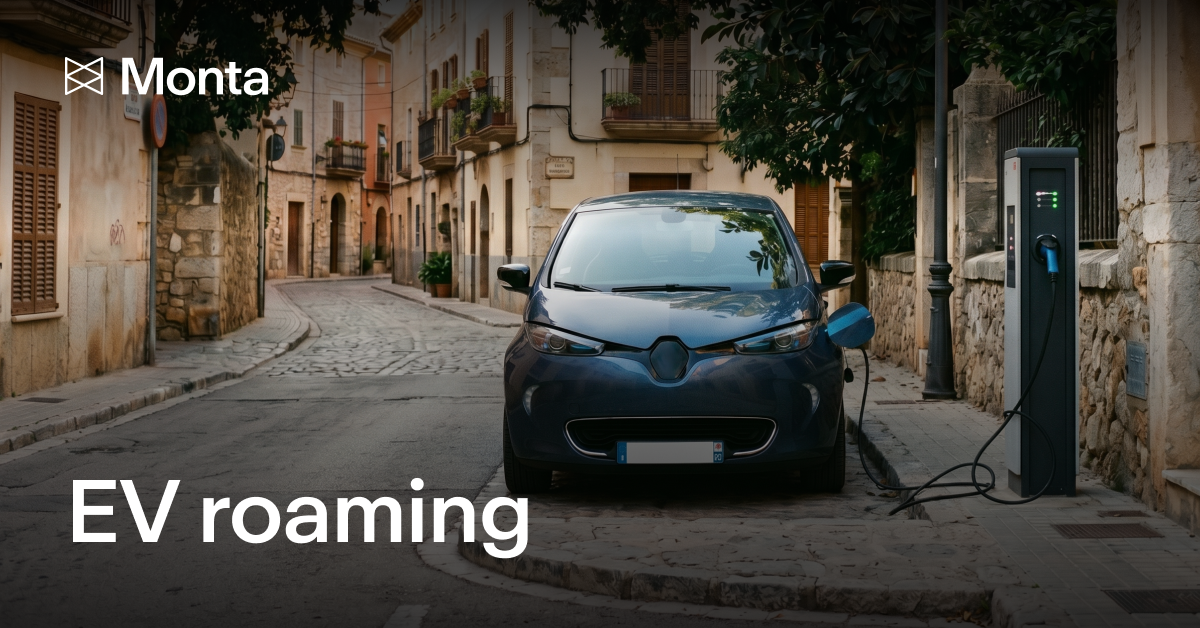
EV roaming
EV roaming is the ability for drivers to charge across multiple charging networks using one account, mobile app, or RFID card rather than registering separately with each provider.
Open InterCharge Protocol (OICP)
Open InterCharge Protocol (OICP), commonly referred to as OICP, is a communication protocol designed to enable seamless e-roaming between EV charging networks.

EV charging connector types
EV charging connector types are standardised plug designs used to connect electric vehicles to charge points for power transfer.
Megawatt Charging System (MCS)
Megawatt Charging System (MCS) is a high-power DC charging standard developed specifically for heavy-duty electric vehicles such as long-haul trucks, transit buses, and large fleet vehicles that require far more energy than passenger cars.

Employee spotlight: Gaëlle Greiveldinger
Great technology is built by curious minds. Here, we prioritise people first, fuelling a culture where asking 'why' is just as important as knowing 'how.'
EV fleet management
EV fleet management refers to the systems, tools, and operational strategies used to monitor, charge, maintain, and optimise a fleet of electric vehicles across commercial operations.
EV charging for apartments
EV charging for apartments is a multifamily residential charging solution for apartment buildings, condominiums, and mixed-use properties where vehicles park overnight or for extended periods.

Hardware isn’t the problem. Software is the solution.
Monta COO Max Scherer on the next five years of EV charging – and what it’ll take to make it pay off.
Over €90,000 a year, no new chargers: the regulated revenue most EV operators aren’t claiming
ERE certificates in the Netherlands, voluntary carbon markets in Belgium, and CSRD-grade emissions data have quietly turned every verified charging session into a regulated financial asset.

Employee spotlight: Niklas Steinfurth
Great technology is built by curious minds. Here, we prioritise people first, fuelling a culture where asking 'why' is just as important as knowing 'how.'
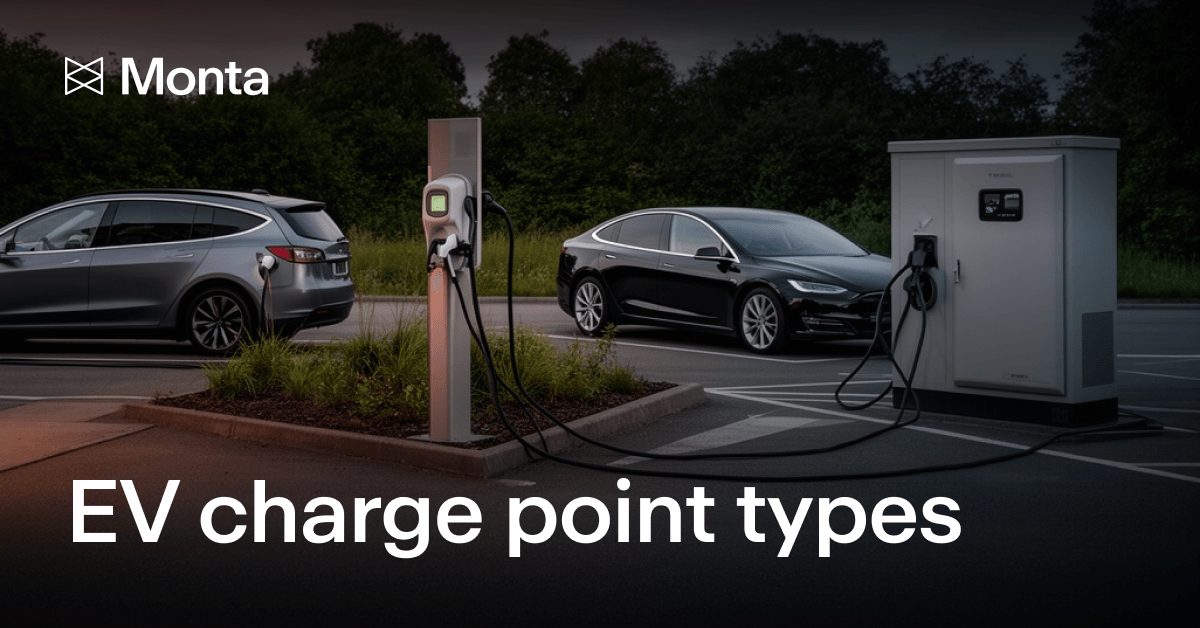
EV charge point types
EV charge point types vary by power output, charging speed, and installation requirements, making charge point selection a critical decision for EV owners and property operators.

EV charging etiquette
EV charging etiquette comprises the respectful and responsible behaviours drivers follow when utilising public or shared charge points.

EV telematics
EV telematics is an integrated system of vehicle-tracking and data-monitoring technologies to improve the operation of battery-powered transport.

Fleet electrification
Fleet electrification involves the systematic transition from conventional internal combustion engines to electric propulsion systems across commercial and public transport networks.

Pantograph charging
Pantograph charging is a high-power, overhead charging method used primarily for electric buses and heavy-duty vehicles operating on fixed routes and intensive duty cycles.
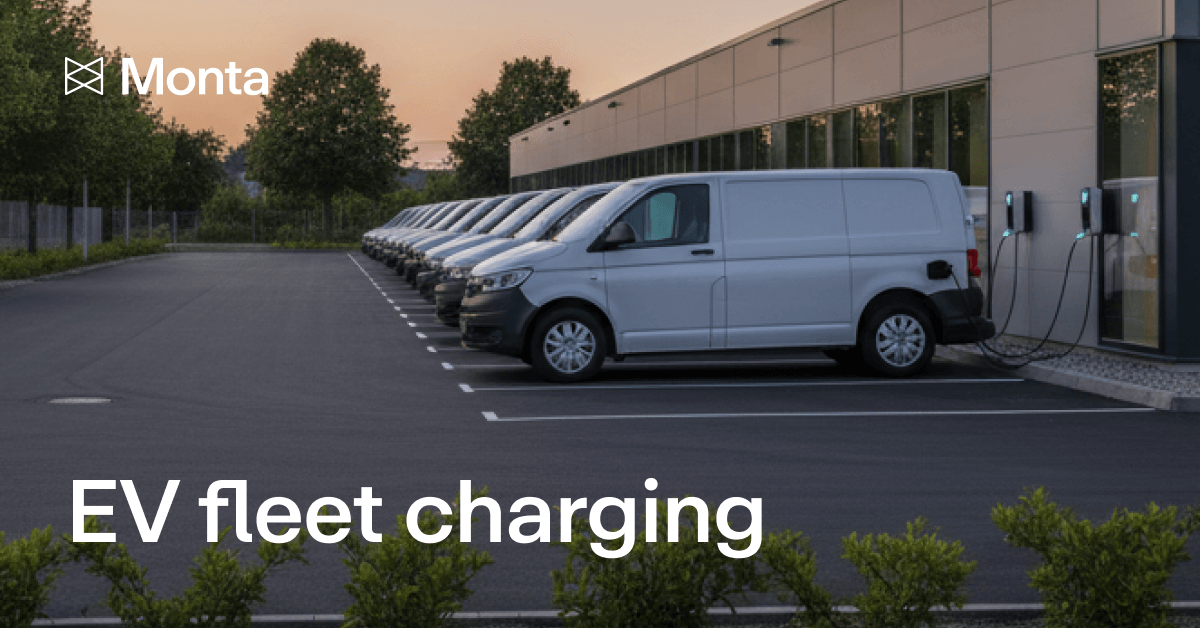
EV fleet charging
EV fleet charging is the coordinated supply of electricity to multiple electric vehicles used for commercial, municipal, and service operations at dedicated depot and workplace sites.
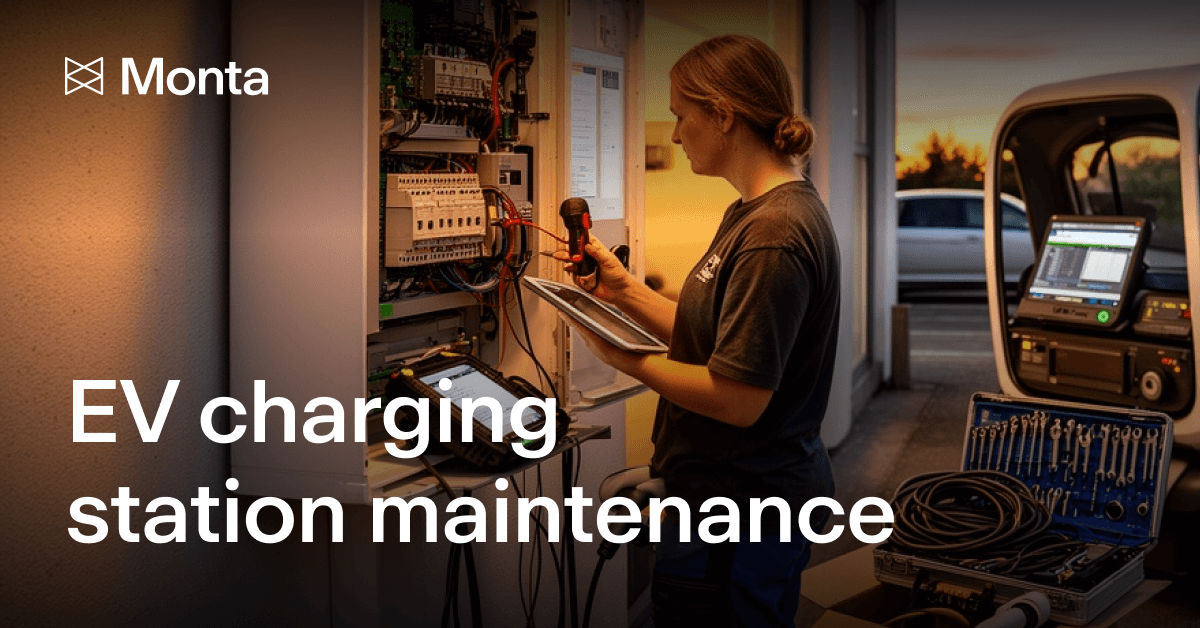
EV charging station maintenance
EV charging station maintenance is a comprehensive strategy encompassing the routine inspection, technical servicing, hardware repair, and performance optimisation of electrical supply equipment.
Plug and charge for electric vehicle
EV Plug and Charge is an automated charging process that allows vehicles to authenticate and start charging without using cards or apps.

EV charging infrastructure
EV charging infrastructure encompasses the entire network required to deliver electricity to electric vehicle batteries.
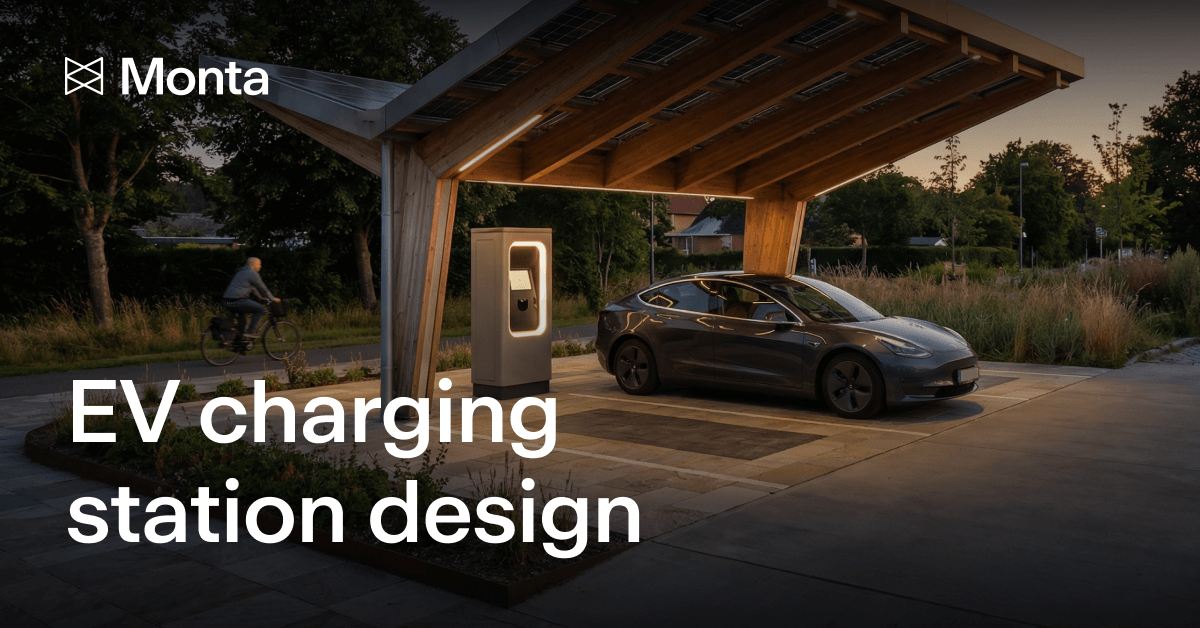
EV charging station design
EV charging station design is a systematic arrangement of electrical hardware, physical civil works, and digital management systems to provide safe vehicle replenishment.
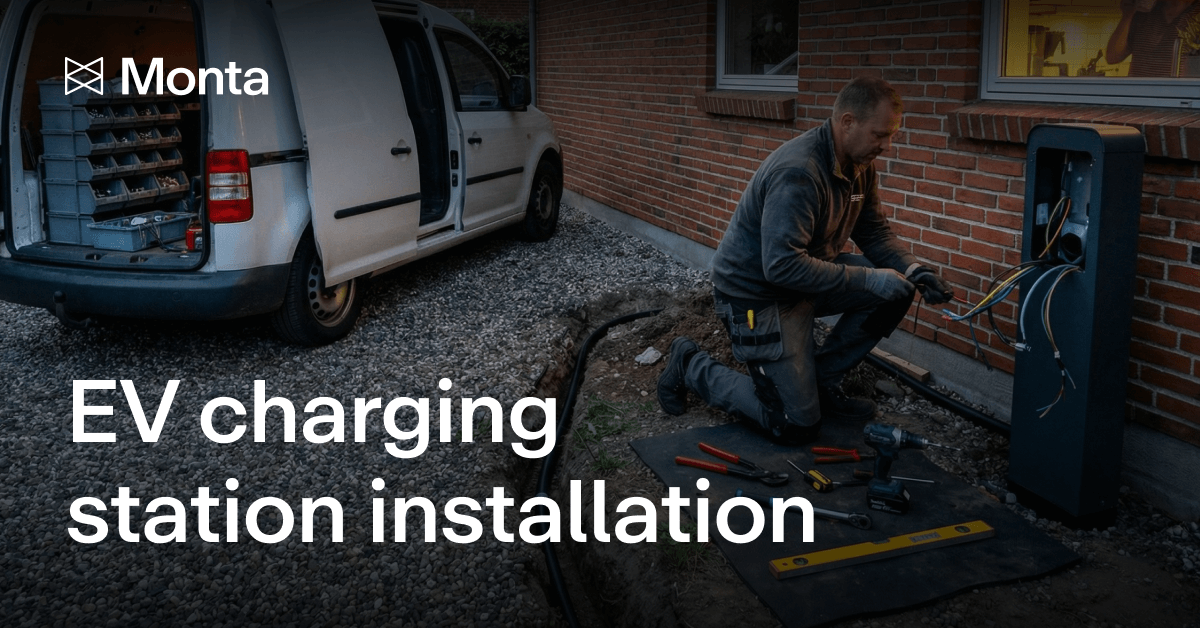
EV charging station installation
EV charging station installation is a comprehensive deployment of hardware, electrical supply infrastructure, and software management systems at a designated site.

Vehicle-to-home (V2H)
Vehicle-to-Home (V2H) is a transformative residential energy solution that enables electric vehicles to supply electricity to a domestic property.

Energy flexibility
Energy flexibility involves shifting loads in households, factories, and electric vehicle fleets to match power availability.

Grid balancing
Grid balancing maintains the equilibrium between electricity generation and consumption at every single moment.

Peak shaving in EV charging
Peak Shaving in EV Charging involves reducing energy consumption during intervals of maximum grid demand.

Bidirectional charging
Bidirectional Charging represents a transformative leap in modern electrical infrastructure. Electric vehicles function as mobile energy storage assets rather than static consumers.

EV charging for schools, universities, and educational institutions
EV charging for schools, universities, and educational institutions is a structured approach that supports transport operations, campus mobility, and public access across educational settings.

Vehicle-to-everything (V2X)
Vehicle-to-Everything (V2X) enables energy and data exchange between electric vehicles and various external systems.
Demand side management (DSM) in EV charging operations
Demand Side Management (DSM) in Electric Vehicle (EV) Charging Operations provides a strategic framework for controlling energy demand within power networks.

Vehicle-to-Grid (V2G)
Vehicle-to-Grid (V2G) enables electric car batteries to discharge energy back into the power network during periods of high demand.
Dynamic load management EV charging
Dynamic Load Management Electric Vehicle (EV) Charging in apartment blocks, office buildings, and shopping centres ensures the safe distribution of electricity to several units simultaneously.
EV automatic load management system
The Electric Vehicle (EV) Automatic Load Management System regulates the distribution of electricity to multiple electric vehicle charge points to ensure site safety.
DCC-12 EV energy load management system
DCC-12 Electric Vehicle (EV) Energy Load Management System provides a dedicated solution for managing power distribution in multi-charge point environments.
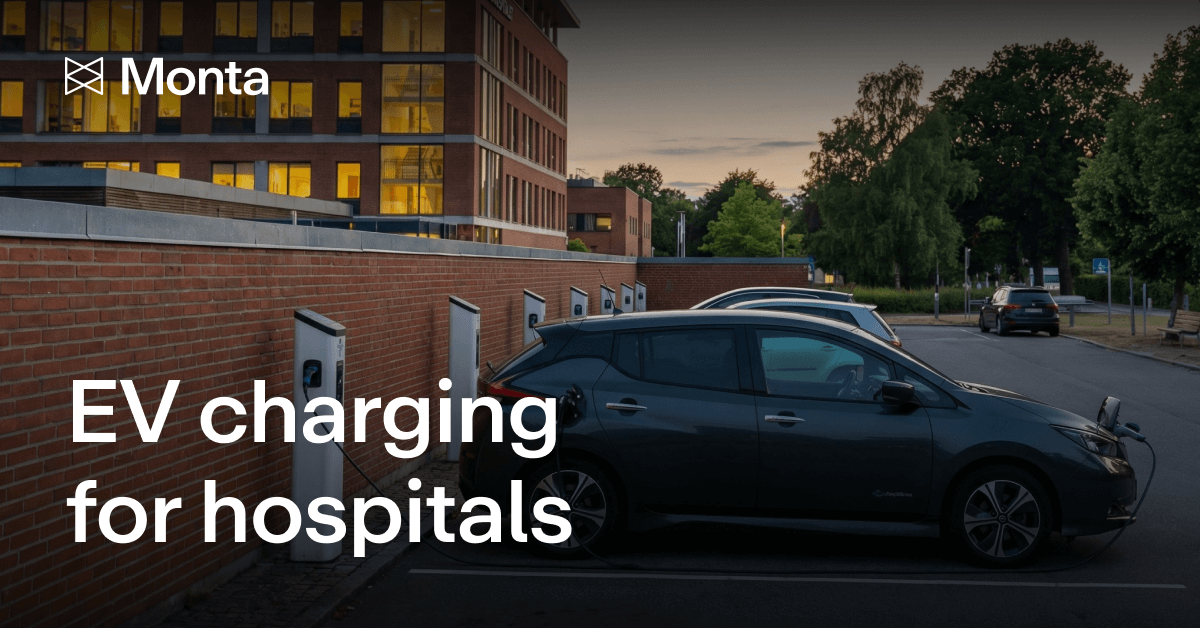
EV charging for hospitals
EV charging for hospitals functions as a structured charging ecosystem that supports clinical operations, workforce mobility, and visitor access across healthcare campuses.

Are EV charging stations profitable?
Yes, electric vehicle (EV) charging stations are profitable. Electric vehicle charging stations generate consistent income as global adoption rates continue to climb.
EV charge point load management system
The Electric Vehicle (EV) charge point load management system provides a digital framework for distributing available power amongst vehicles.
EV managed charging
EV managed charging is the active control of charge point output — scheduling sessions, adjusting power levels, and coordinating with the grid — to optimise cost, battery health, and vehicle readiness.
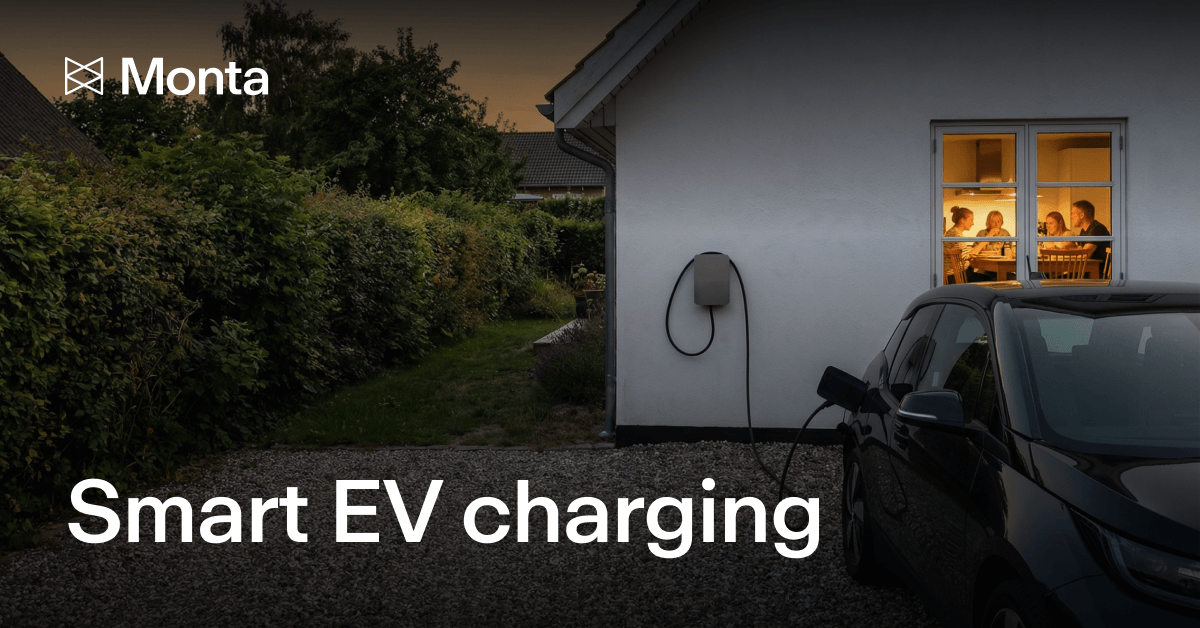
Smart EV charging
Smart Electric Vehicle (EV) charging involves cloud-connected hardware and data-driven automation. Smart EVs serve as a cornerstone of modern infrastructure.
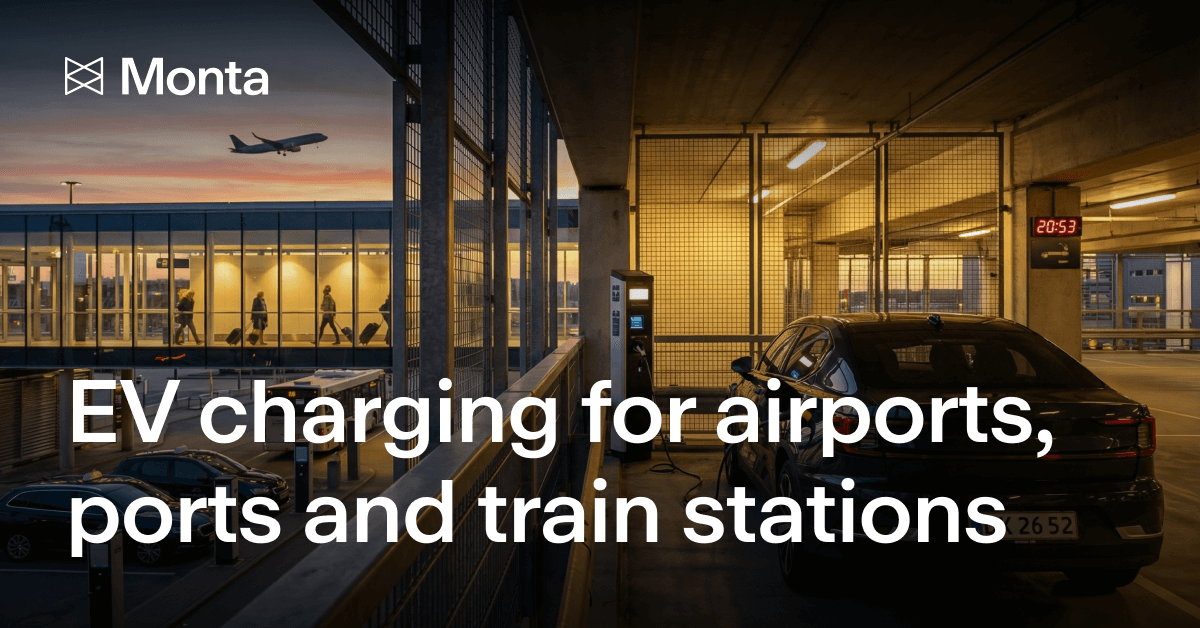
EV charging for airports, ports and train stations (transportation hubs)
EV charging at airports, ports, and train stations works as integrated infrastructure that serves both operational fleet requirements and passenger travel patterns.

EV charging station business model
An EV charging station business model defines the structural approach to delivering electricity to vehicles while ensuring long-term financial sustainability.

Invest in electric car charging stations
Investing in electric car charging stations provides a strategic gateway into the future of global mobility and energy distribution.
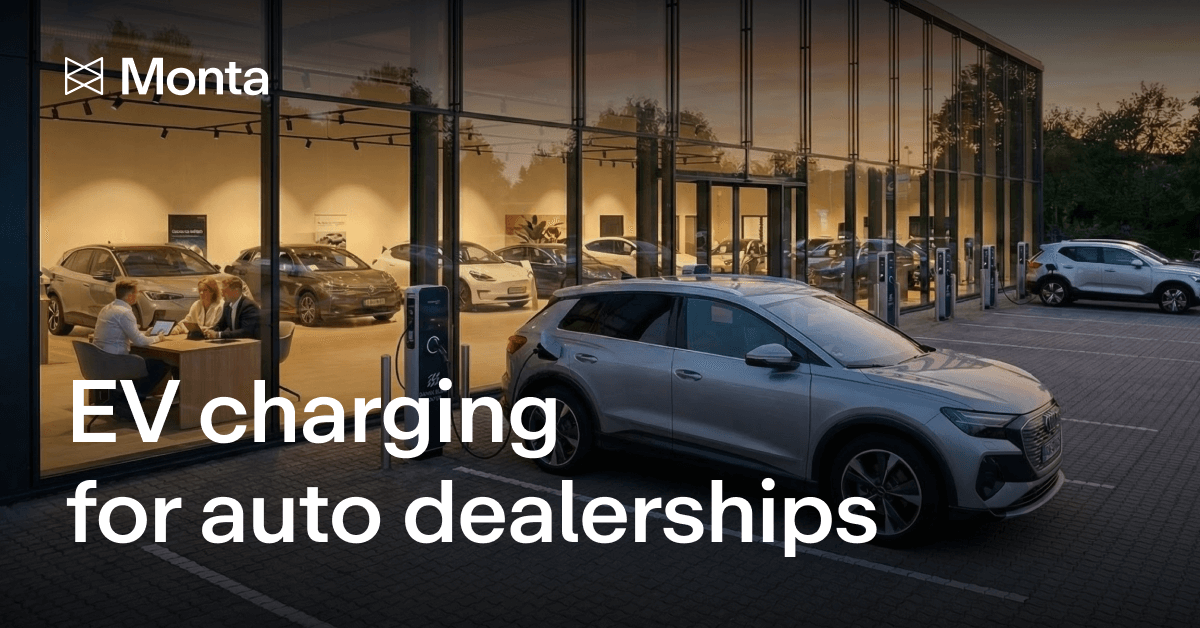
EV charging for auto dealerships
EV charging for auto dealerships functions as an integrated operational system that supports vehicle sales, demonstrations, servicing, and customer delivery within modern automotive retail environments.
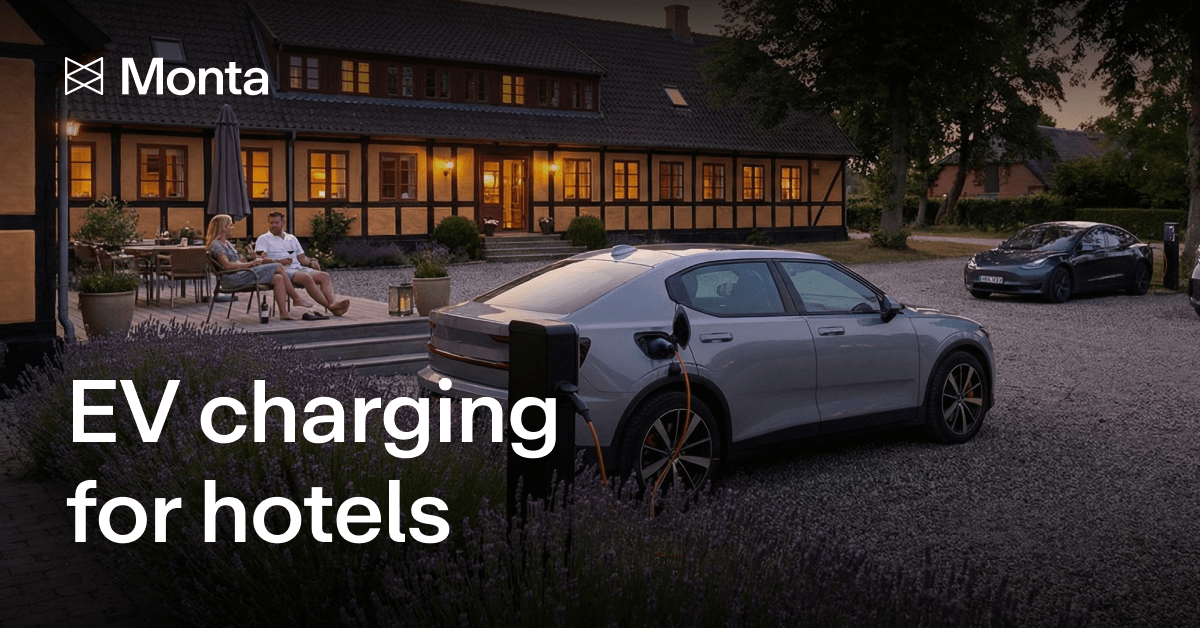
EV charging for hotels and hospitality facilities
EV charging for hotels and hospitality facilities operates as a combined guest amenity and operational support system that serves visitors and staff within modern lodging environments.
EV charging station business
The EV charging station business is a critical infrastructure segment within the global transition towards sustainable mobility.

Employee spotlight: Lisa Martini
Commercial Strategy Lead Lisa Martini on building Monta's commercial excellence function from scratch and helping our Customer Success Managers become commercial wizards.
EV charging station infrastructure costs
EV charging station infrastructure costs encompass a wide range of expenses spanning hardware procurement, site preparation, and grid connection fees.

EV charging for utilities
EV charging for utilities is a utility-led model in which electric utilities enable, support, own, or operate EV charging as part of broader grid operations and transportation electrification.
Commercial EV charging: definition, types, cost, applications, and benefits
Commercial EV charging refers to charging infrastructure installed by businesses, property owners, and organisations to support electric vehicle use across public, semi-public, and private environments.
EV charging for fuel stations: infrastructure, types, business models, and requirements
EV charging for fuel stations turns petrol and diesel sites into multi-energy hubs delivering electricity alongside liquid fuels, so retailers can support electric mobility at high-traffic locations.
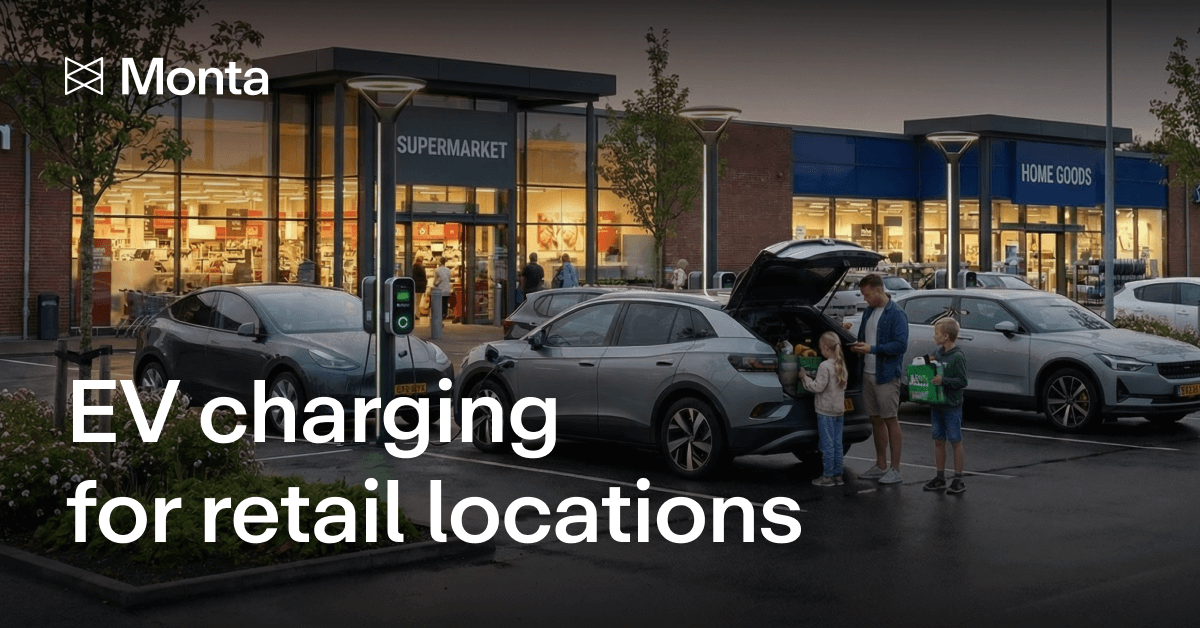
EV Charging for retail locations
EV charging for retail locations is commercial EV infrastructure built into shopping centres, big-box stores, grocery outlets, and mixed-use destinations where vehicles already park.
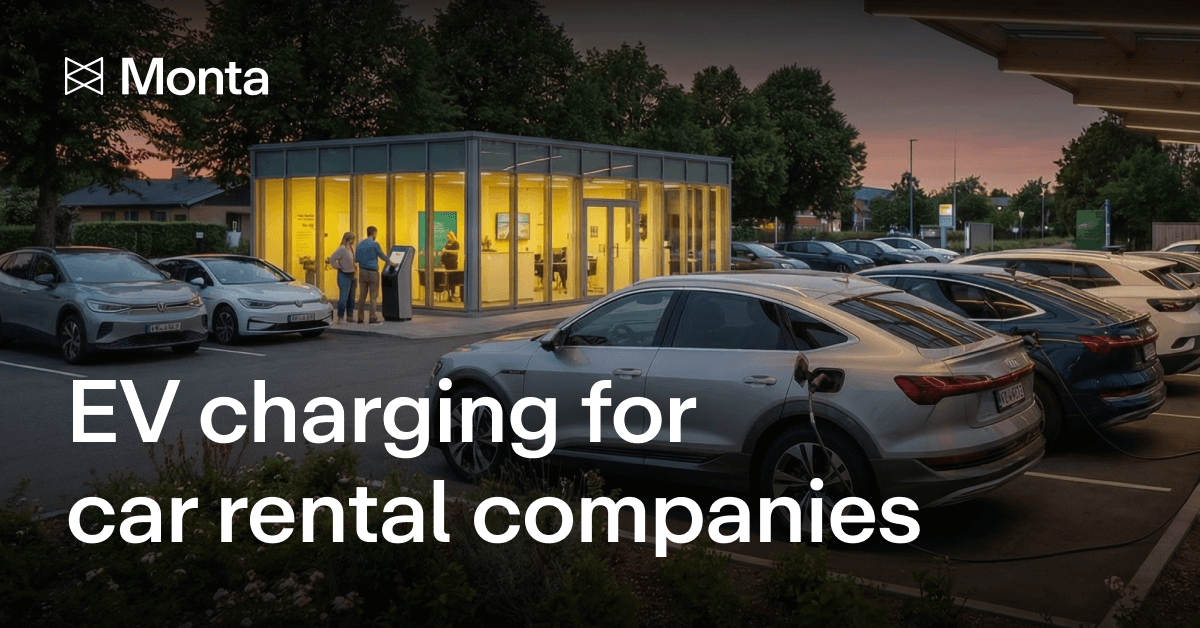
EV charging for car rental companies
Car rental companies use depot and branch-based EV charging to keep electric vehicles ready between bookings while controlling energy costs and vehicle availability.
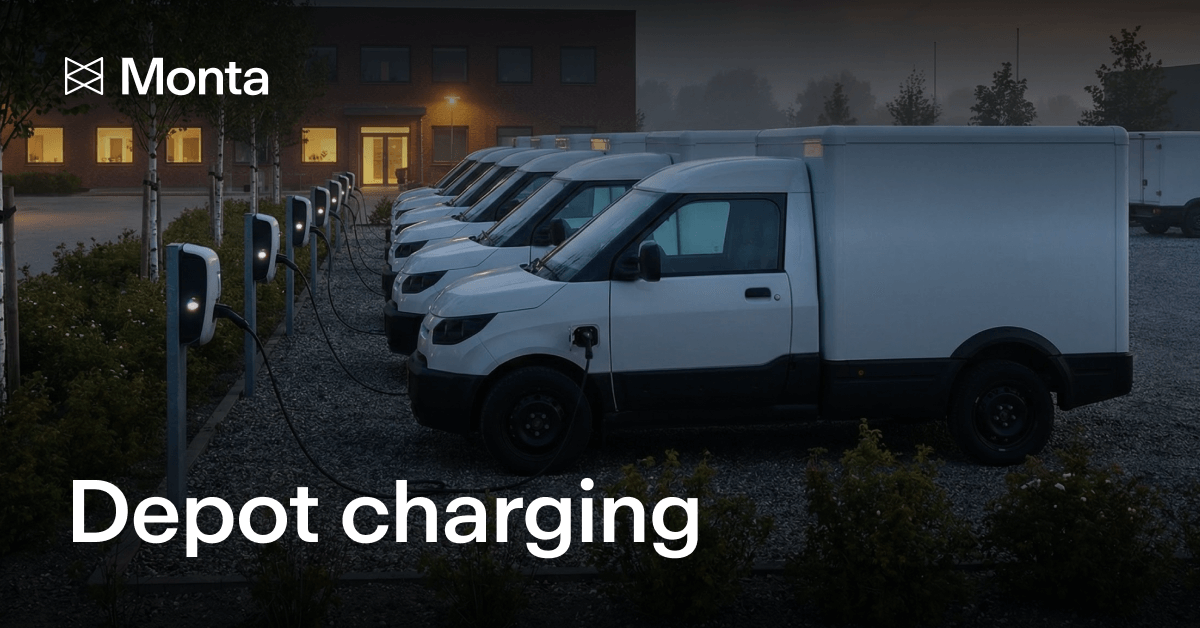
Depot charging: definition, types, cost, and benefits
Depot charging is a centralized electric vehicle charging solution built for fleet-owned vehicles that return to a common operating facility as part of daily operations.

Destination charging: definition, locations, types, benefits, and costs
Destination charging refers to EV charging installed at locations where drivers naturally spend time, such as hotels, workplaces, shopping centres, restaurants, and public parking facilities.
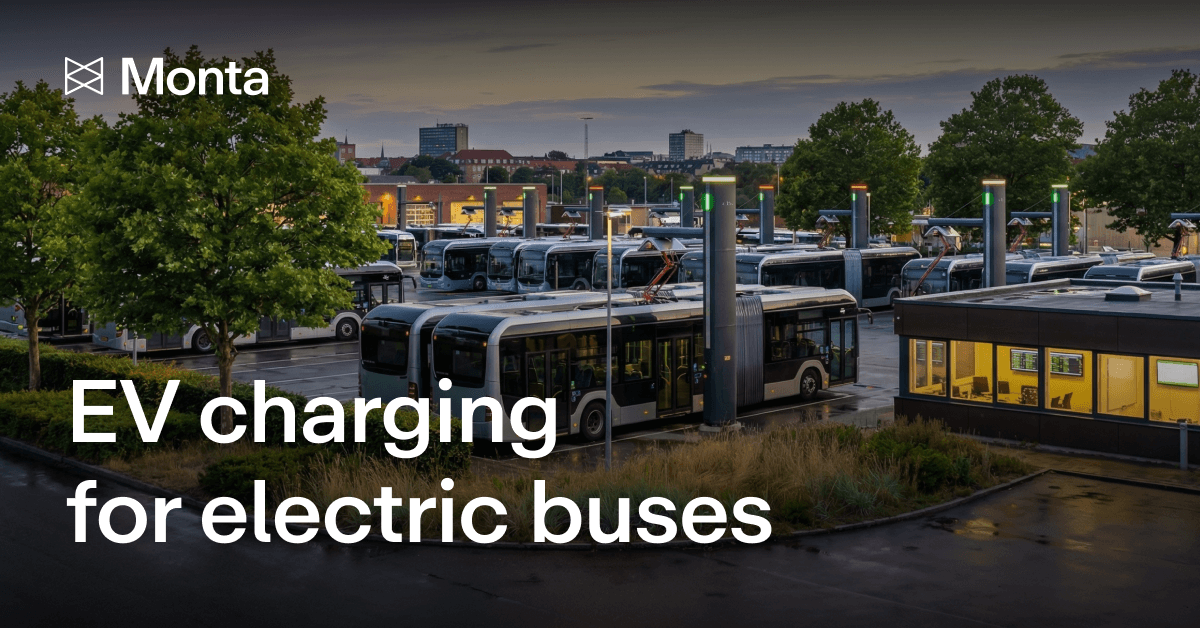
EV charging for electric buses
EV charging for electric buses refers to specialised charging infrastructure for transit agencies and fleet operators running large, battery-electric buses on fixed routes with high daily mileage.
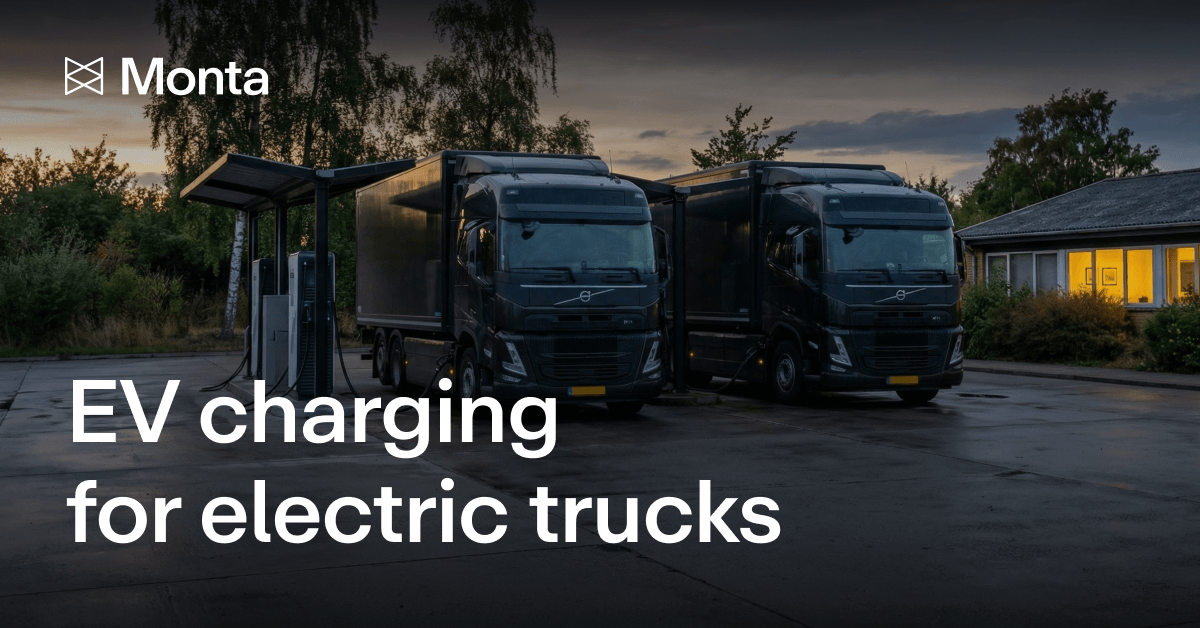
EV charging for electric trucks: infrastructure, types, models, requirements, and costs
EV charging for electric trucks covers the infrastructure, charging types, operating models, power requirements, and costs needed to supply energy to medium- and heavy-duty commercial vehicles at scale.
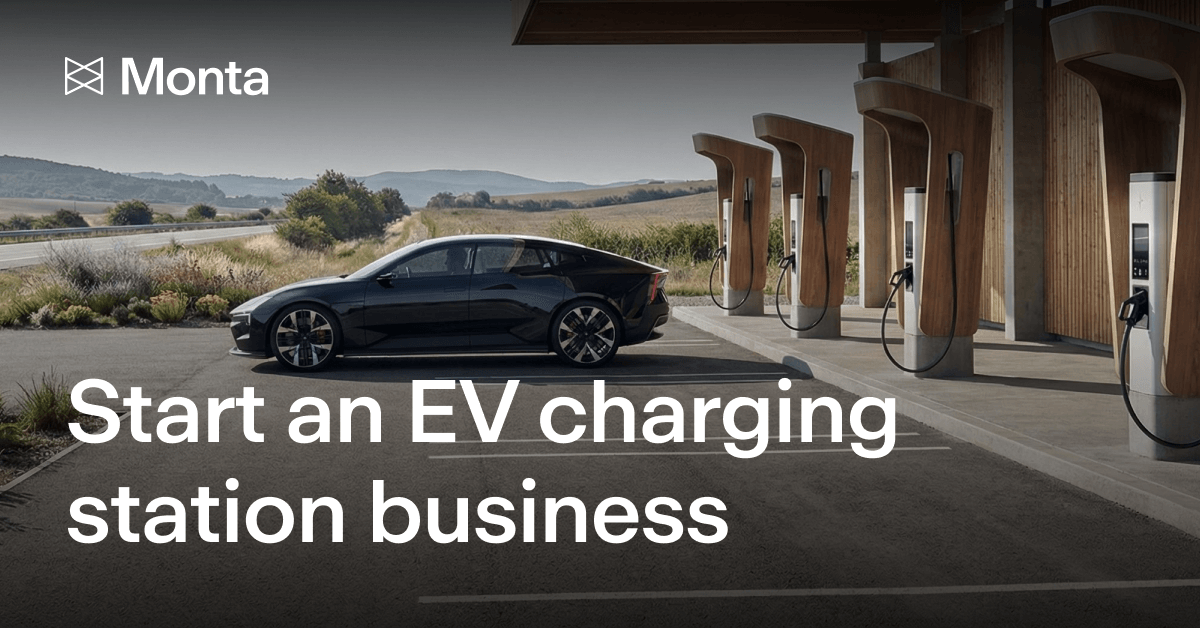
How to start an EV charging station business?
To start an EV charging station business, a Charge Point Operator (CPO) must follow a structured process that moves from planning to full operation.
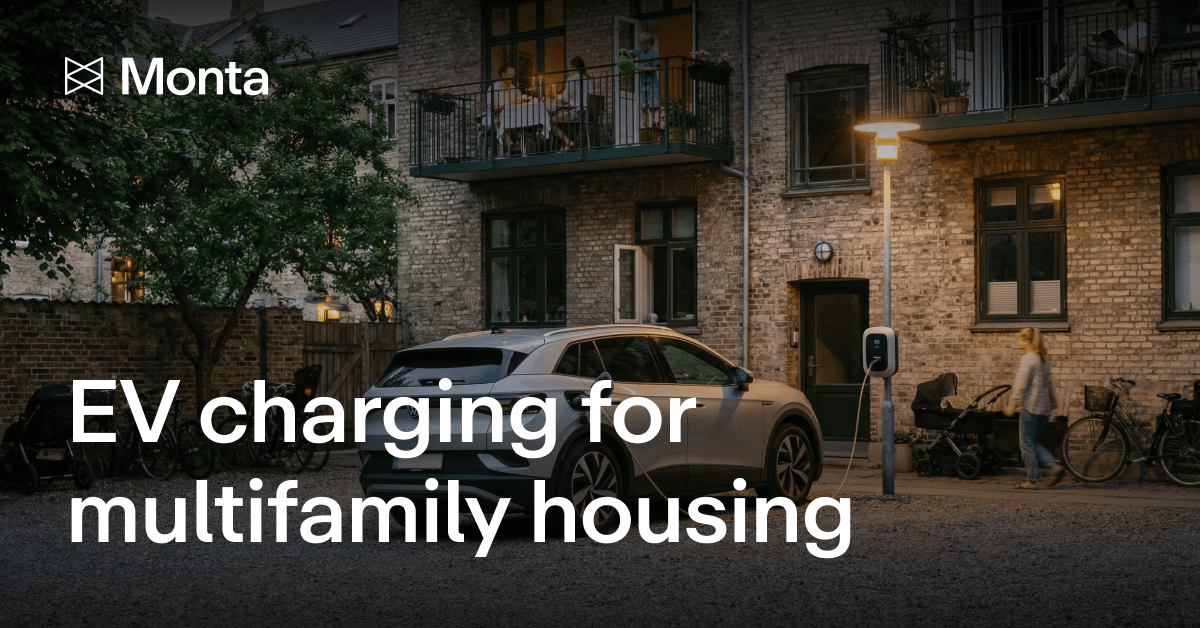
EV charging for multifamily housing
EV charging for multifamily housing is a residential-scale infrastructure solution for buildings with multiple dwelling units, such as apartments, condominiums, and mixed-use developments.
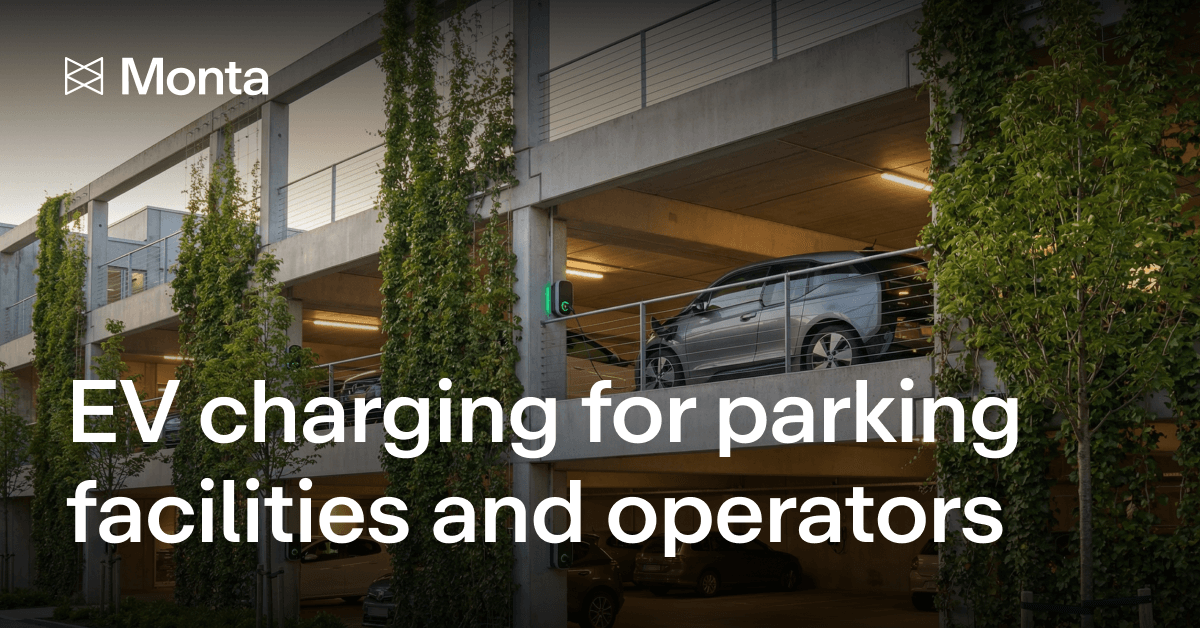
EV charging for parking facilities and operators
EV charging for parking facilities and operators functions as an integrated service model that combines vehicle storage, energy delivery, and digital management within commercial garages and surface lots.
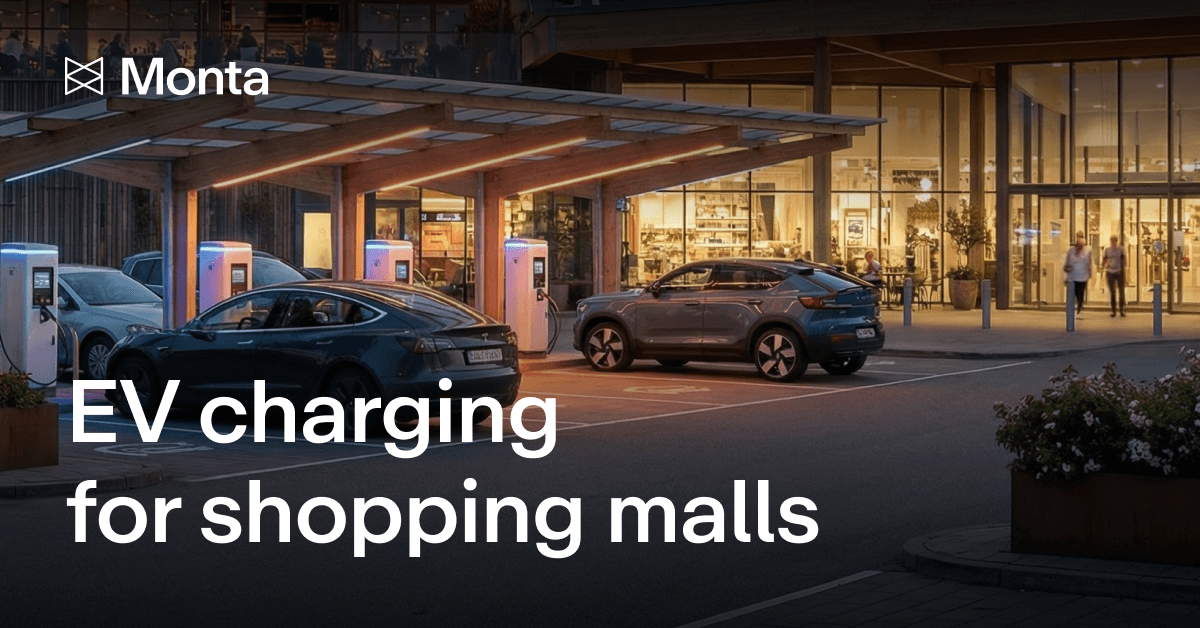
EV charging for shopping malls
EV charging for shopping malls is commercial charging infrastructure for large retail complexes and high-traffic destinations where vehicles remain parked for extended periods.

How AI is changing the way EV charging networks are run
The EV charging industry is scaling fast – faster than most operational models were designed for. Across markets, networks are growing in size and complexity.

IEC 62196: Definition, type 2 EV connectors, charging cables, and EU standards
IEC 62196 defines the physical interface for EV charging connectors and sockets used in AC and DC charging.

Employee spotlight: Julian Posse
Enterprise Sales Director Julian Posse on spearheading Monta's expansion in the DACH region, translating technical complexity into commercial value, and what recharges him outside work.
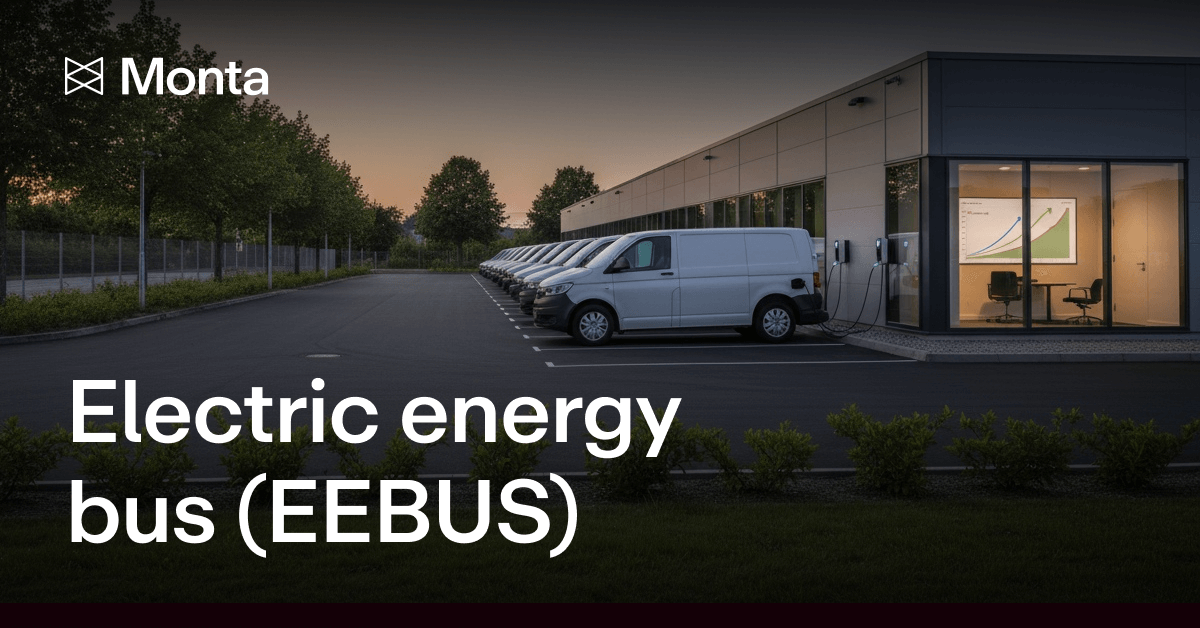
Electric energy bus (EEBUS): Definition, structure, key benefits, limitations and adoption
Electric energy bus (EEBUS) is a communication protocol for coordinated energy management across connected devices.

IEC 61851: Definition, scope, and role in EV charging
IEC 61851 standard sets requirements for electrical safety, charging control, and the interaction between electric vehicles and charging equipment.

Reliability beyond the numbers: How Monta and Kempower’s integrated tech stack drives charging success for Einride
In our recent webinar with Kempower and CPO Einride, we explored how smart and supported hardware-software integration is shaping the future of EV charging.
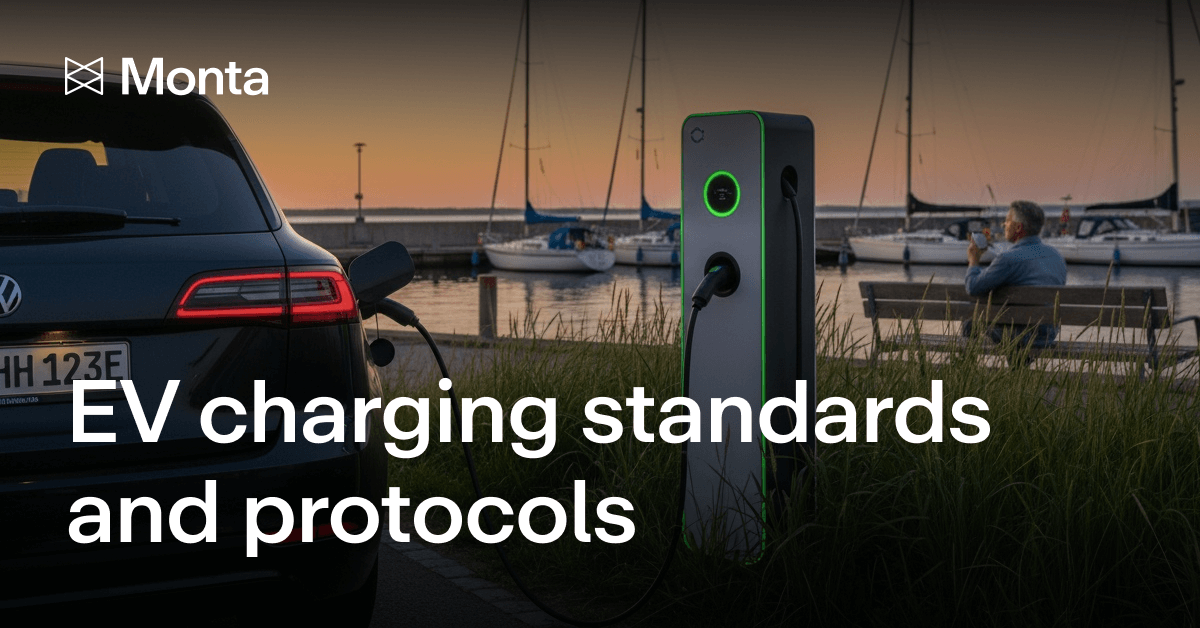
EV charging standards and protocols: Definition, key types, regional variations, and interoperability
EV charging standards and protocols define how electric vehicles, chargers, and backend systems interact across the charging ecosystem.

Employee spotlight: Marlene Heinzle
Senior QA Engineer Marlene Heinzle on expanding Monta's automated UI testing, catching issues before they reach customers, and the Austrian mountains she still misses.
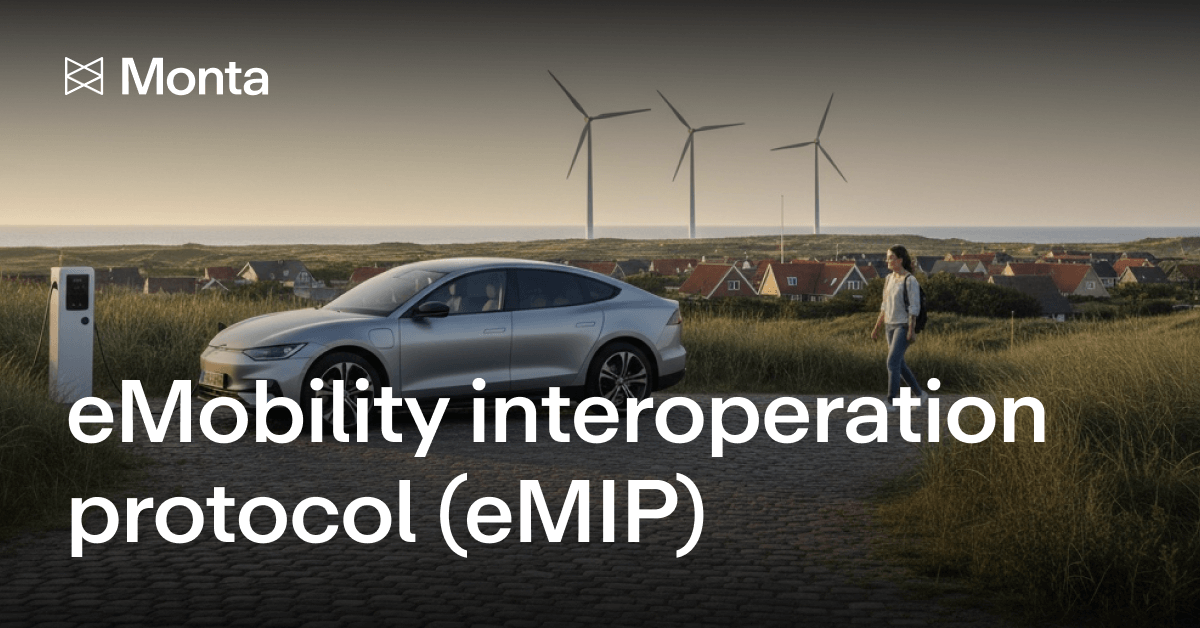
eMobility interoperation protocol (eMIP): Definition, key features, use cases, benefits, limitations, and adoption
The eMobility Interoperation Protocol (eMIP) gives structure to data exchange across EV charging services. The eMIP supports roaming, pricing, contracts, and session flow between market actors.

Open clearing house protocol (OCHP): Overview, architecture, features, use cases, and adoption benefits
The Open Clearing House Protocol (OCHP) supports data exchange between charge point operators and mobility service providers through a clearing house.

Employee spotlight: Rupert Curlett
FP&A and Corporate Development Manager Rupert Curlett on building the financial model for Monta Pay, a repeatable M&A engine, and why his dog Edie keeps him grounded.

ISO 15118: Definition, key features, benefits, adoption, and compliance
ISO 15118 is an international communication standard that defines how electric vehicles and charging stations exchange data.

Open charge point interface (OCPI): Definition, versions, compliance, and software
Open charge point interface (OCPI) is an open communication protocol that enables CPOs and eMSPs to exchange data.
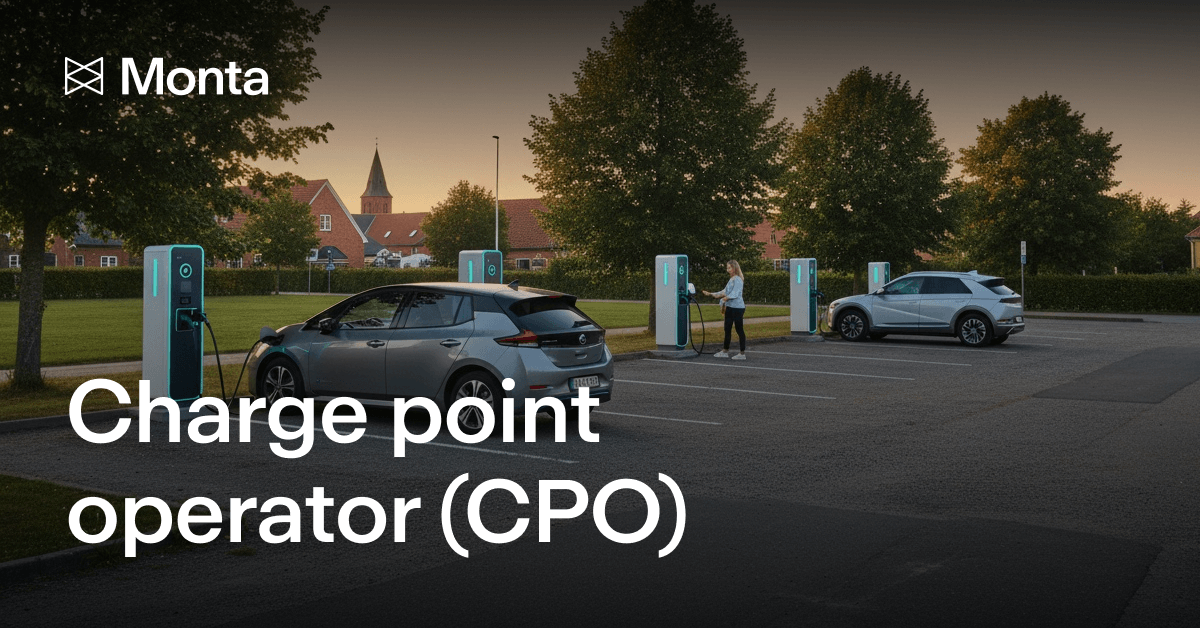
Charge point operator (CPO): Definition, roles, challenges, and management software
A charge point operator (CPO) manages electric vehicle charging stations and ensures they stay connected, functional, and accessible.

Powering the shift: insights from industry leaders on the front lines
Driver behaviour, fleets, funding, and data are redefining public charging across the UK and Europe.

Open charge point protocol (OCPP): Definition, versions, benefits, and software
Open Charge Point Protocol (OCPP) is an open communication standard for electric vehicle charging stations and charging station management systems.

Understanding data-only SIM cards: A guide to staying connected
A practical guide to choosing data-only SIM cards for EV charging stations, covering vendor lock-in, pooling, eSIM and eUICC, and typical monthly data consumption.
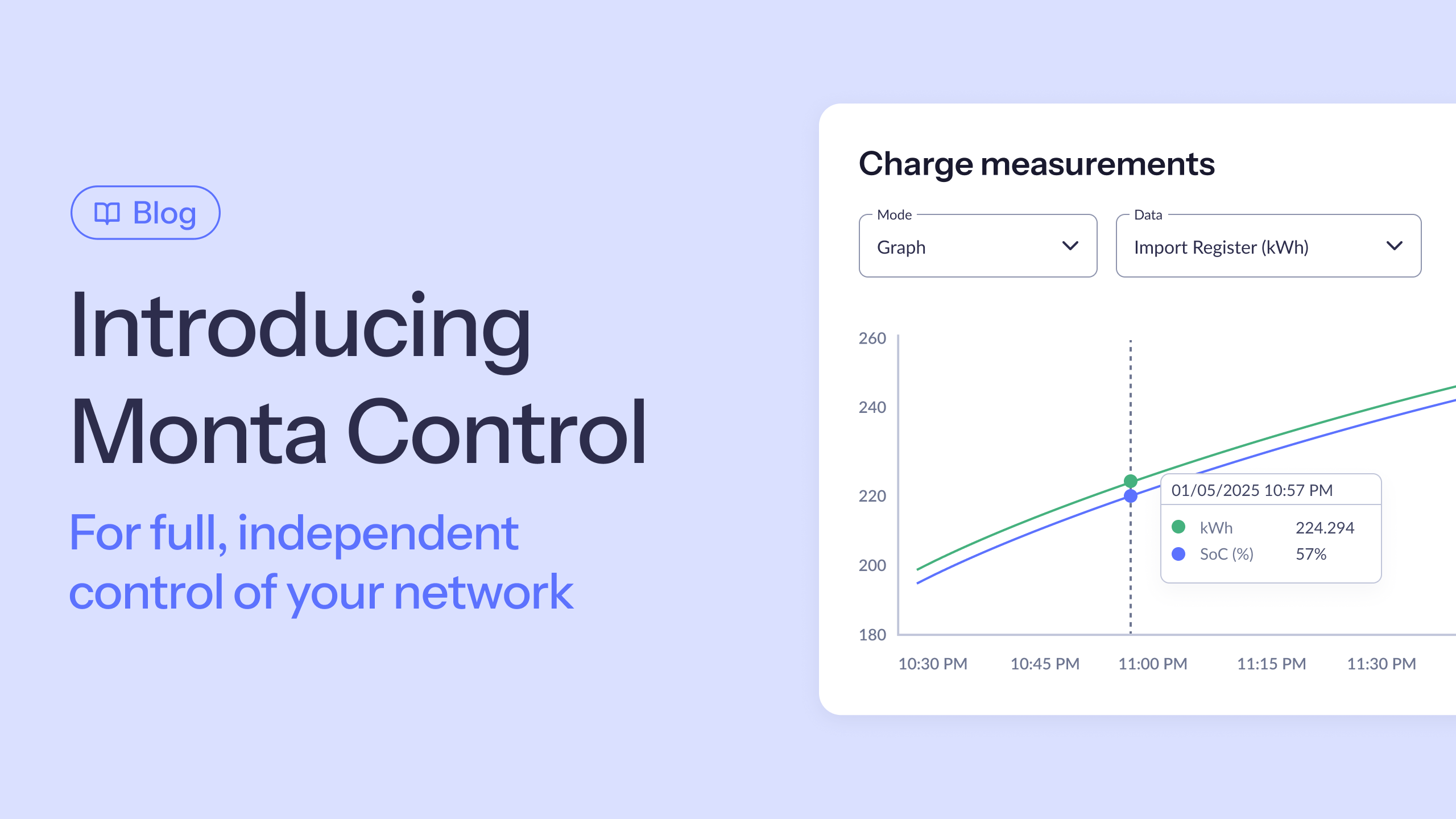
Introducing Monta Control: Complete control over your charge point network
When an EV driver plugs in, they expect one thing: it just works. But behind that seamless experience is a complex system that you, as the operator, are responsible for keeping in sync.
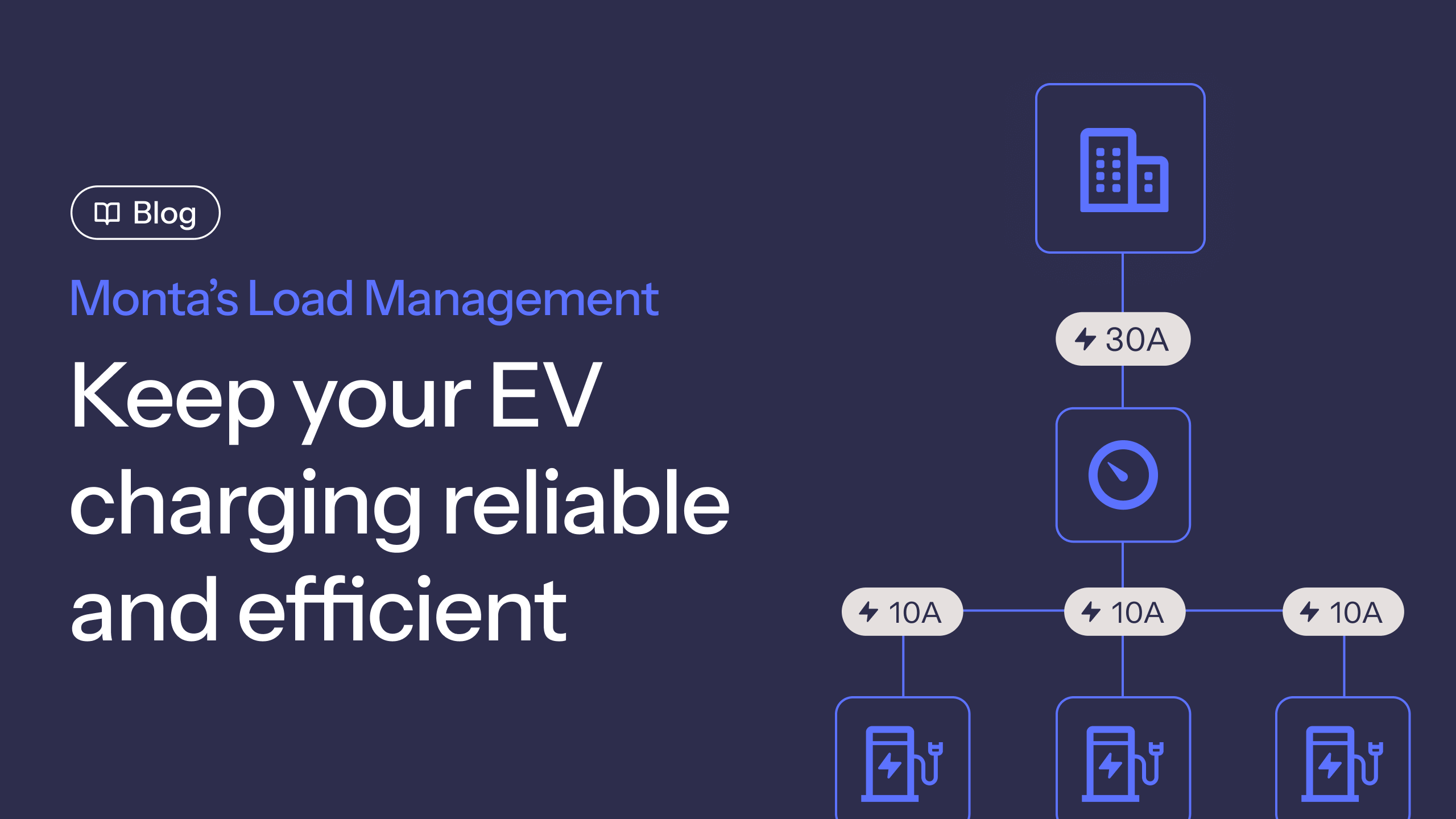
Monta’s Load Management: Keep your EV charging reliable and efficient
As EV adoption grows, so does the strain on your charging infrastructure. Monta’s Load Management distributes power efficiently across your charge points to avoid overloads and downtime.
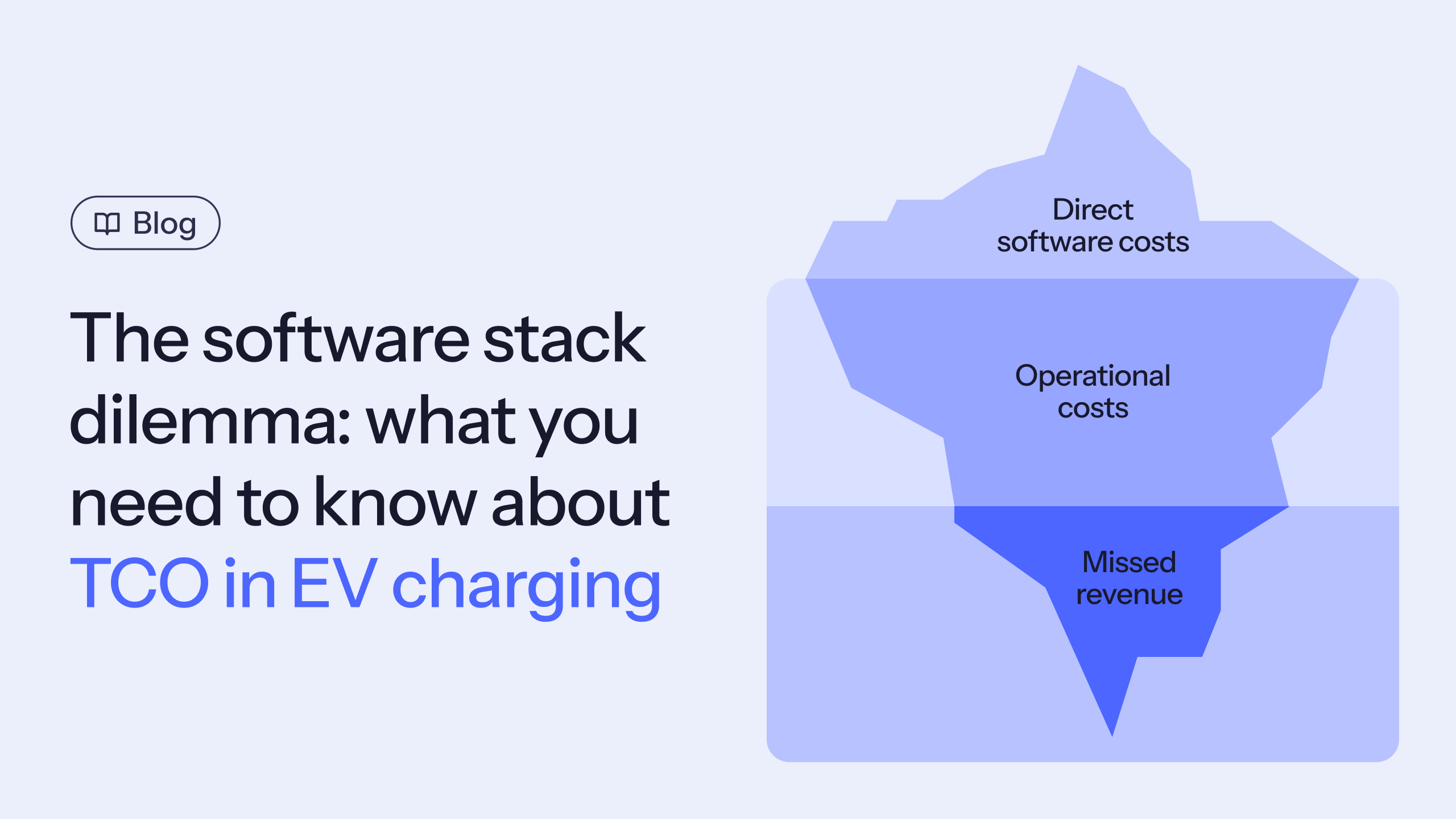
The software stack dilemma: what you need to know about TCO in EV charging
Building an EV charging operation is complex, with many moving parts.
Belgium’s rising energy costs and new EV reimbursement rules: What you need to know
Electricity prices are rising in Belgium for Q2 2025, affecting EV fleet costs and reimbursement policies. Here is what the new CREG tariffs and home-charging rules mean.
Using OCPP data to improve and select EV charging hardware
EV charging networks are facing a critical challenge today: Charge sessions in Europe are failing more than 10% of the time, and the failure rate is even higher in the United States.

The CPO guide: How to build a successful customer support framework
In a fragmented and fast-evolving industry like EV charging, charge point operators and solution providers are judged by uptime, hardware reliability and the user experience.
Introducing Monta’s Incident Alerts: Keeping your EV charging network running smoothly
As EV adoption grows, reliable charging infrastructure is more critical than ever. Monta’s incident alerts give operators real-time visibility so they can act on issues before they escalate.

The rise of data sharing in the EV charging ecosystem
As the EV market grows, so does the need for better infrastructure and accessibility. Data sharing, driven by regulation and market needs, is a defining trend in the EV charging ecosystem.
EV Payment Terminals: Where we stand in 2025
EV charging payments are meant to be simple, but in reality, they’re far from it.

From concept to chargers: how to build your own EV charging station business
Electric vehicle charging is one of the fastest-emerging markets in the world. Here is what to consider before building your own EV charging station business.

PowerBank: 2 years of grid services
When we launched Monta’s PowerBank feature – a preventative solution to help offload and stabilise the energy grid – we were as optimistic as true tech entrepreneurs can be.
Don’t know which EV charging business models to choose? Read this.
Discover the most profitable EV charging business models that will enable your business to generate sustainable revenue and overcome common challenges easily.
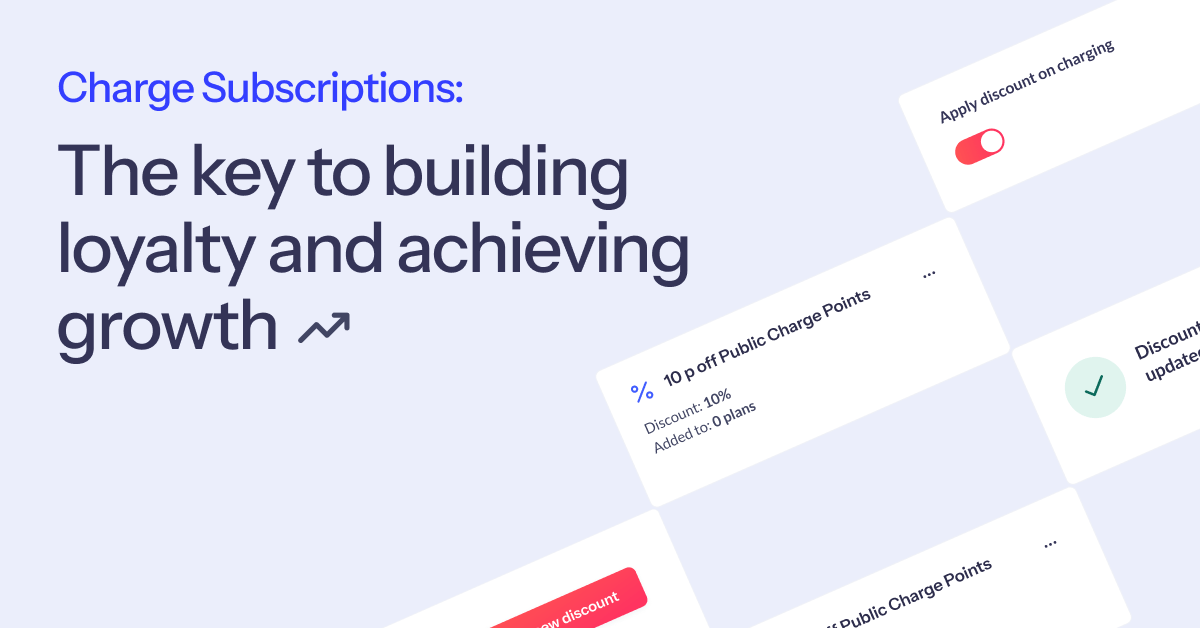
EV Charge Subscriptions: The key to increasing charge point usage and building long-term loyalty
In the competitive EV charging sector, Public Charge Point Operators often struggle to retain customers. Charge Subscriptions offer a powerful way to build long-term loyalty.
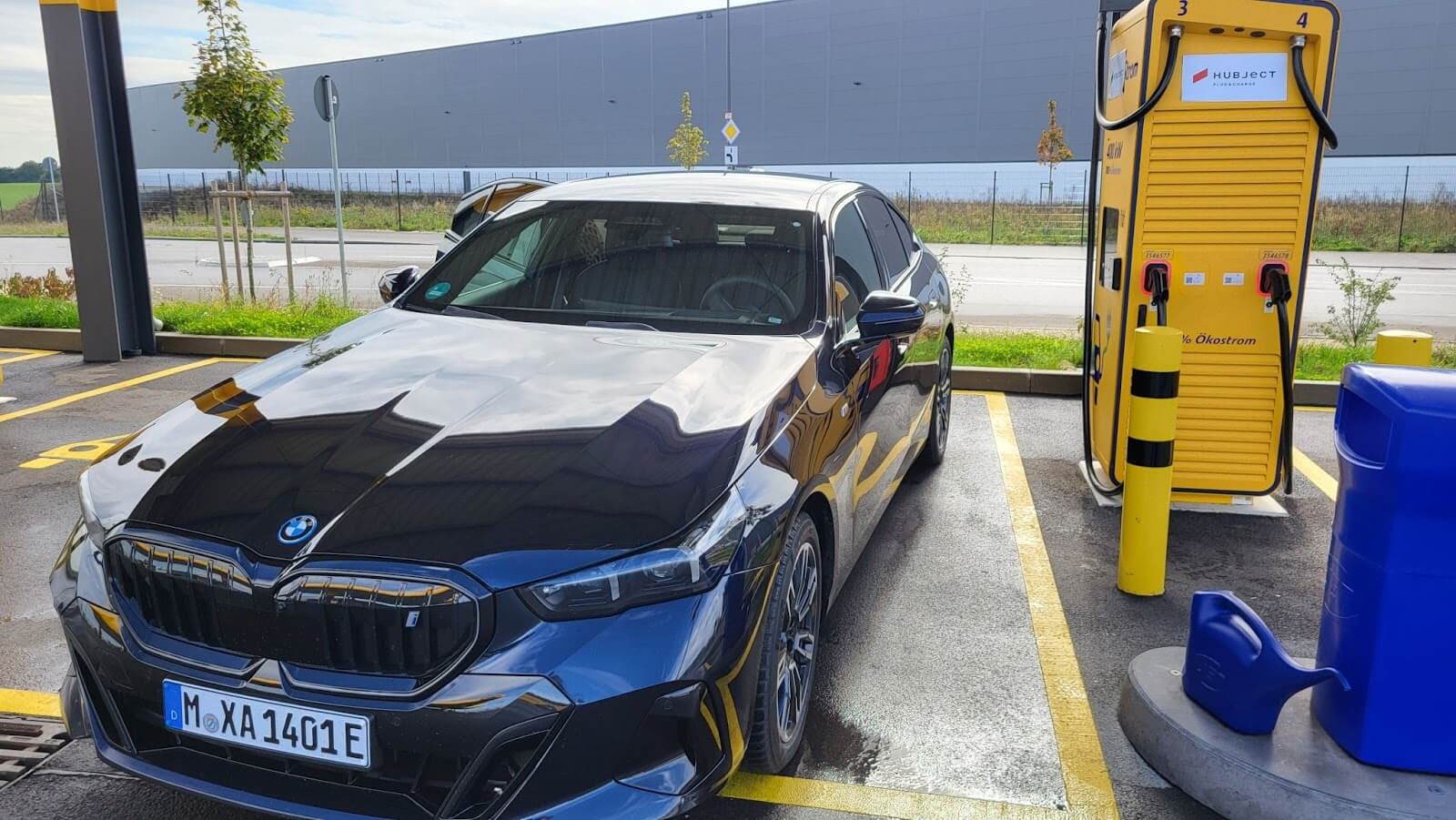
Monta & Hubject’s EV road trip: Demonstrating the future of Plug & Charge technology
The world of EV charging is evolving, and Monta, in partnership with Hubject, is at the forefront of that evolution.

The UK Public Charge Point Regulations 2023: What Charge Point Operators need to know
As the UK accelerates its transition to electric vehicles, new EV charging regulations aim to ensure a smoother, more consistent charging experience for drivers across the country.

Monta attends MOVE America 2024: Highlights from Austin
Last month, Monta took part in MOVE America 2024 in Austin, Texas—the #1 tech mobility event in the Americas.

What can CPOs do to combat rising competition? Ask their customers
What’s the number one rule for EV charging businesses looking to succeed in today’s less-than-ideal economy? Catering to customer needs, of course.

Unlock revenue with Monta’s Fleet Module: A tailored solution for CPOs serving commercial fleets
We are excited to introduce a new fleet module as a solution specifically designed for Charge Point Operators (CPOs) to address the evolving needs of commercial fleet customers.

Road to profitability: How to make money selling EV charging solutions
As the EV market matures, charging solution providers face rising price pressure and evolving customer demands. Here is how the right business models and great CX clear the road to profitability.

How AFIR regulations impact charge point operators in 2024
The EU’s Alternative Fuels Infrastructure Regulation (AFIR) takes effect on 13 April 2024. Here is an overview of its key requirements and what they mean for charge point operators.

Lessons for charge point operators from 75,000 EV drivers
A recent study by McKinsey & Company highlights the need for an impressive 3.4 million public charge points by 2030, signalling a significant opportunity for Charge Point Operators.

Monta explained: Clearing up common misconceptions
Things can get puzzling in the fast-moving world of EVs, no doubt. Monta knows the feeling all too well. Understanding the ins and outs of the EV ecosystem takes time, but worry not!

A success story unfolds: Monta PowerBank moves beyond Beta
It’s been six months since we launched the Monta PowerBank Beta Program and we couldn’t be more thrilled with the progress we’ve made.
OCPP 2.0.1: The key to elevating your charging infrastructure
As the popularity of electric vehicles grows, so does the need for reliable and easily accessible charging infrastructure.
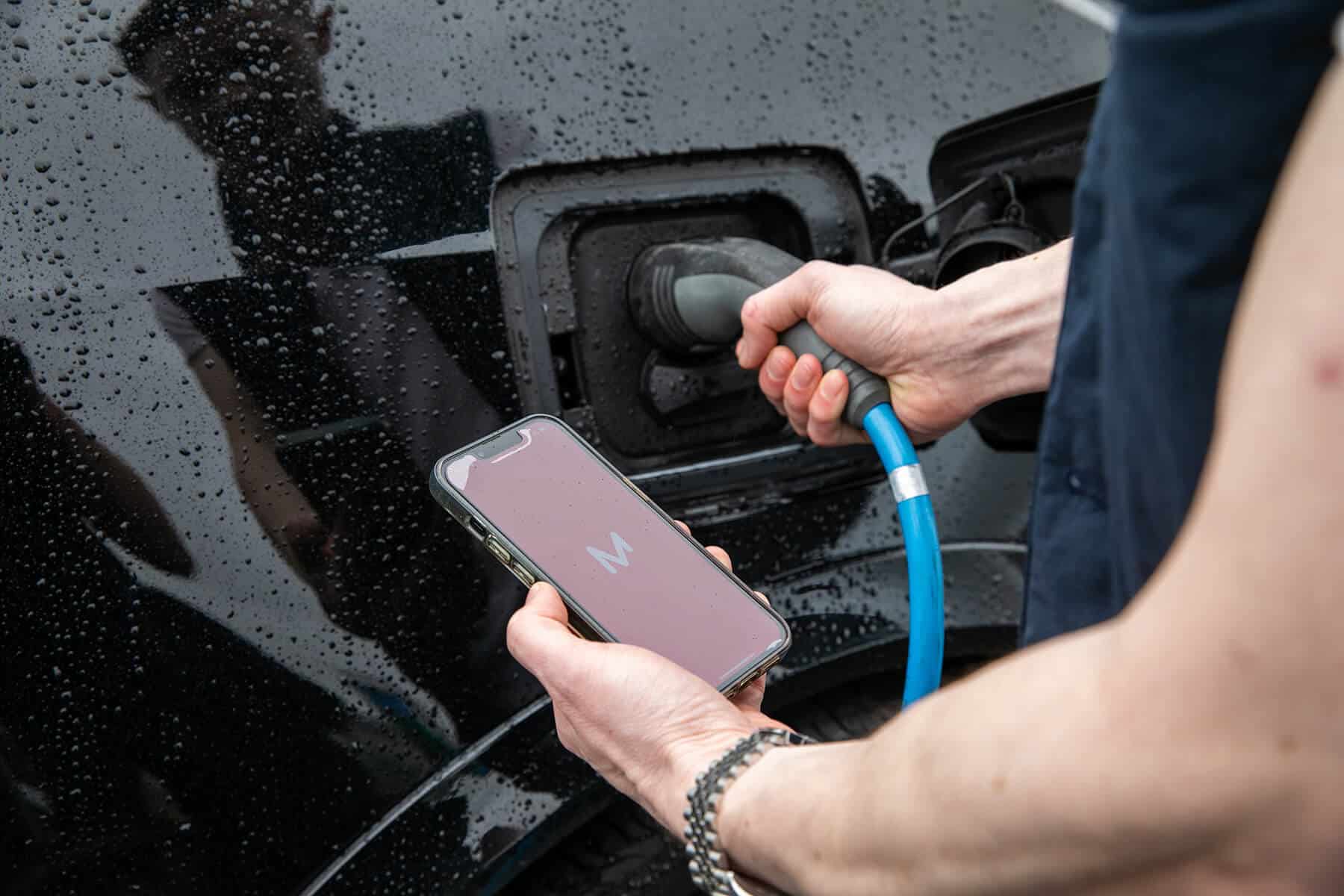
SmartQueue trial results and learnings at Fully Charged UK
Finding an available charging station is a common challenge for EV drivers, leading to frustration and inconvenience at workplaces, residential areas, and events.

Plug&Charge: Revolutionising electric vehicle charging
Plug&Charge (PnC) lets you pull up to a charging station and start charging your EV with no payment process and no authorisation codes. Here is what it means for the EV ecosystem.

SmartCharging, better
You arrive home from work and plug in your car to charge. It’s 6pm – you don’t really need your EV to be fully charged now.
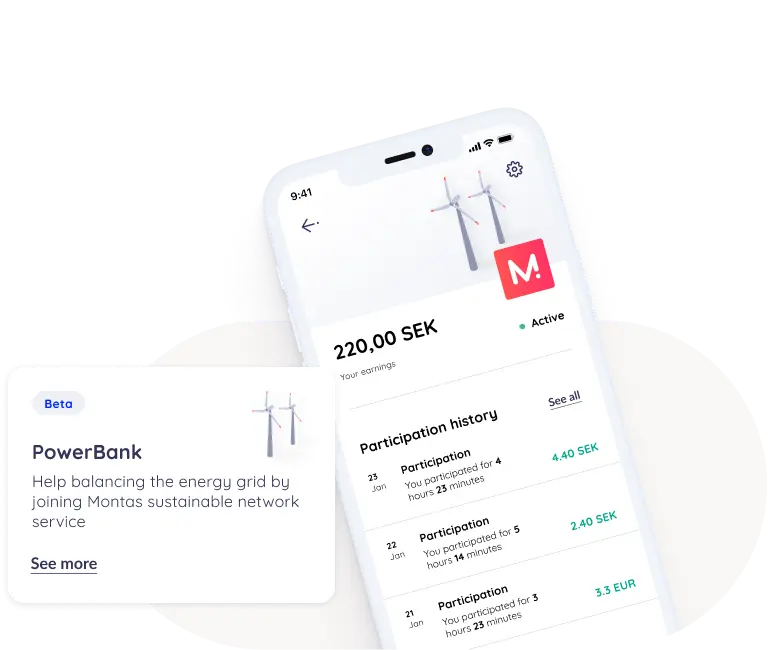
PowerBank: Transforming charge points into Grid-Balancing assets
The global electricity grid, as we know it, was never designed to handle the exponential rise in electricity demand.
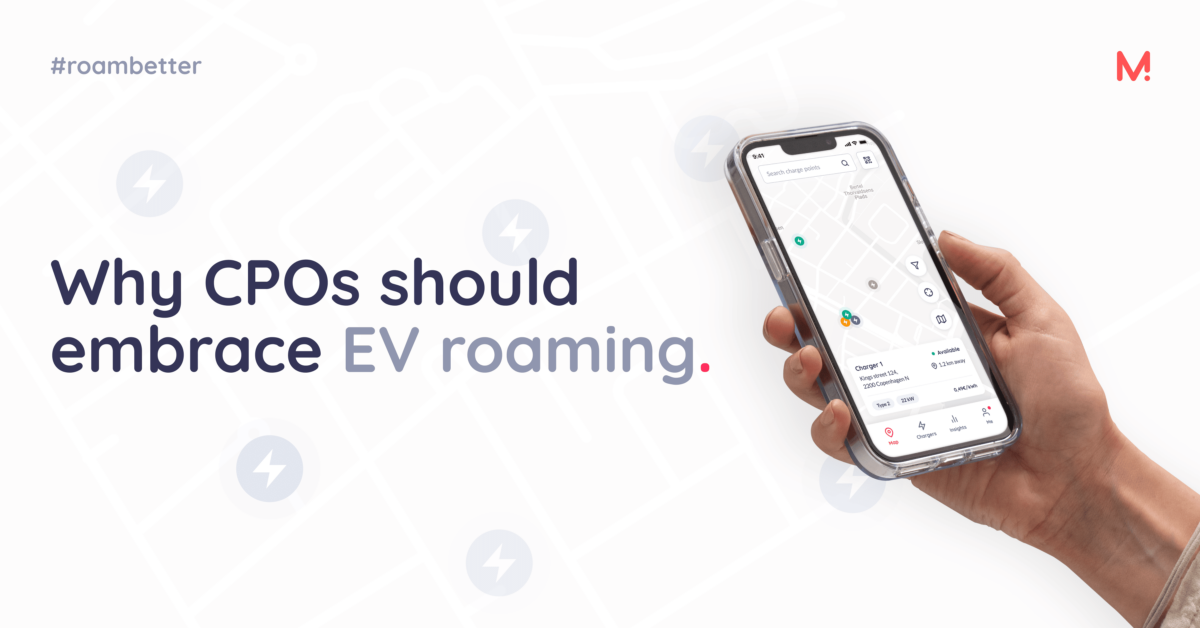
Why CPOs should embrace EV roaming
There are many factors highlighting the role of CPOs within the EV ecosystem. First of all, it’s crucial for them to be ahead of the curve!
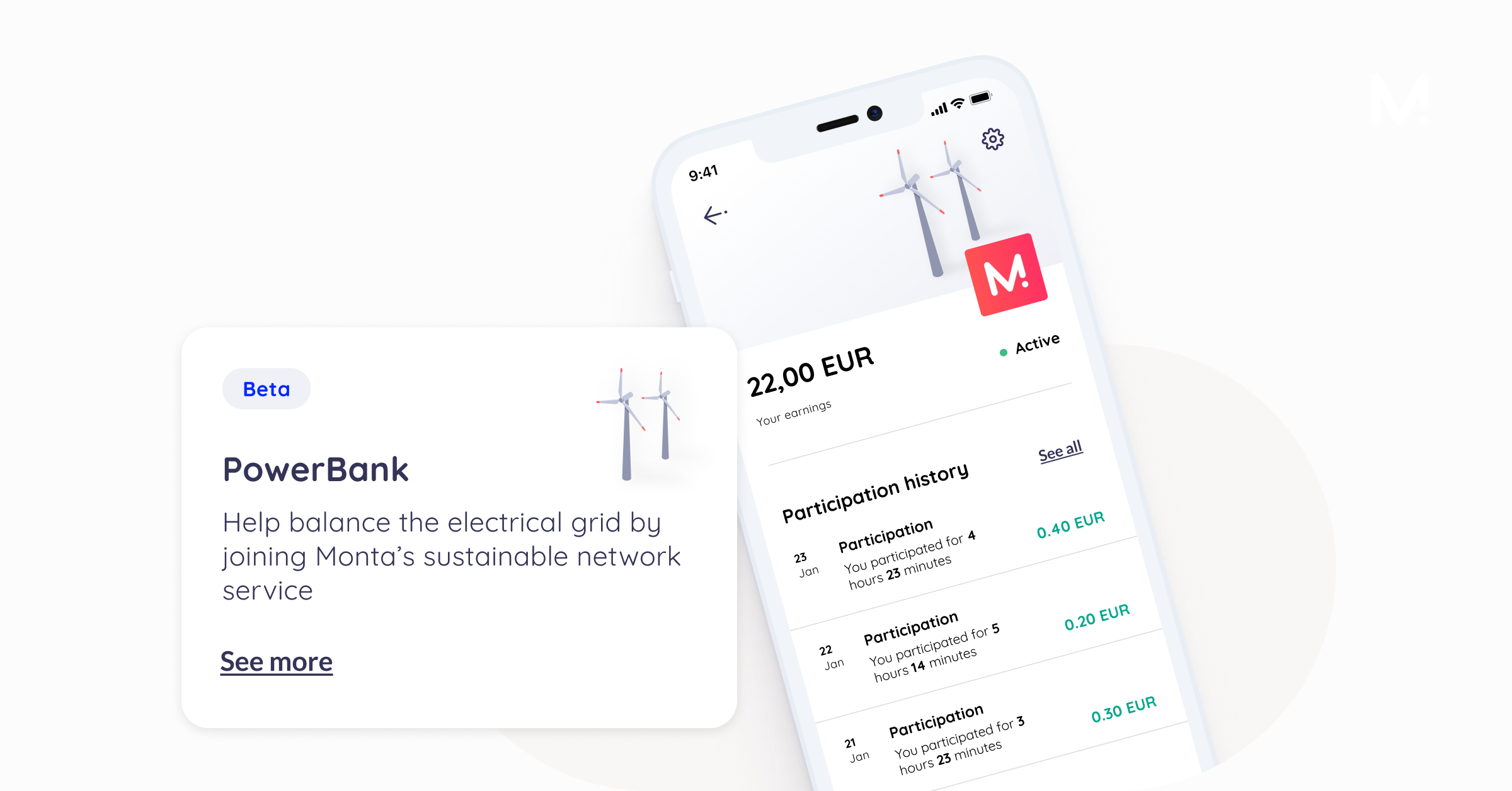
Help the grid power through with Monta
The electrical grid is a literal lifeline for our homes and communities and yet, the power supply infrastructure has been struggling for years to meet the needs of an increasingly large population.
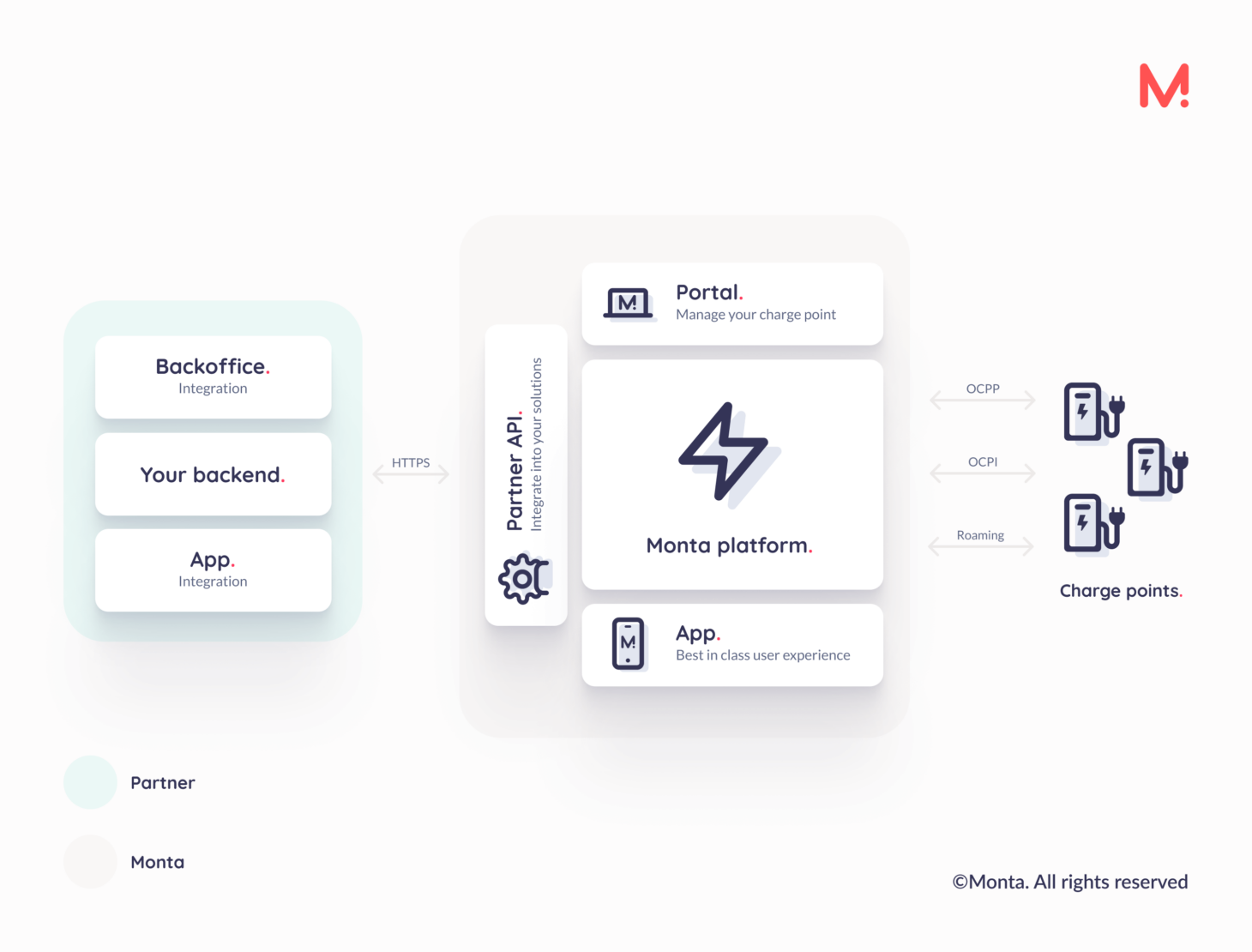
Monta Partner API: The easiest way to integrate Monta to your apps and solutions
Transparency and knowledge are key elements the EV industry needs to take to move in the right direction.
No posts match those filters yet.